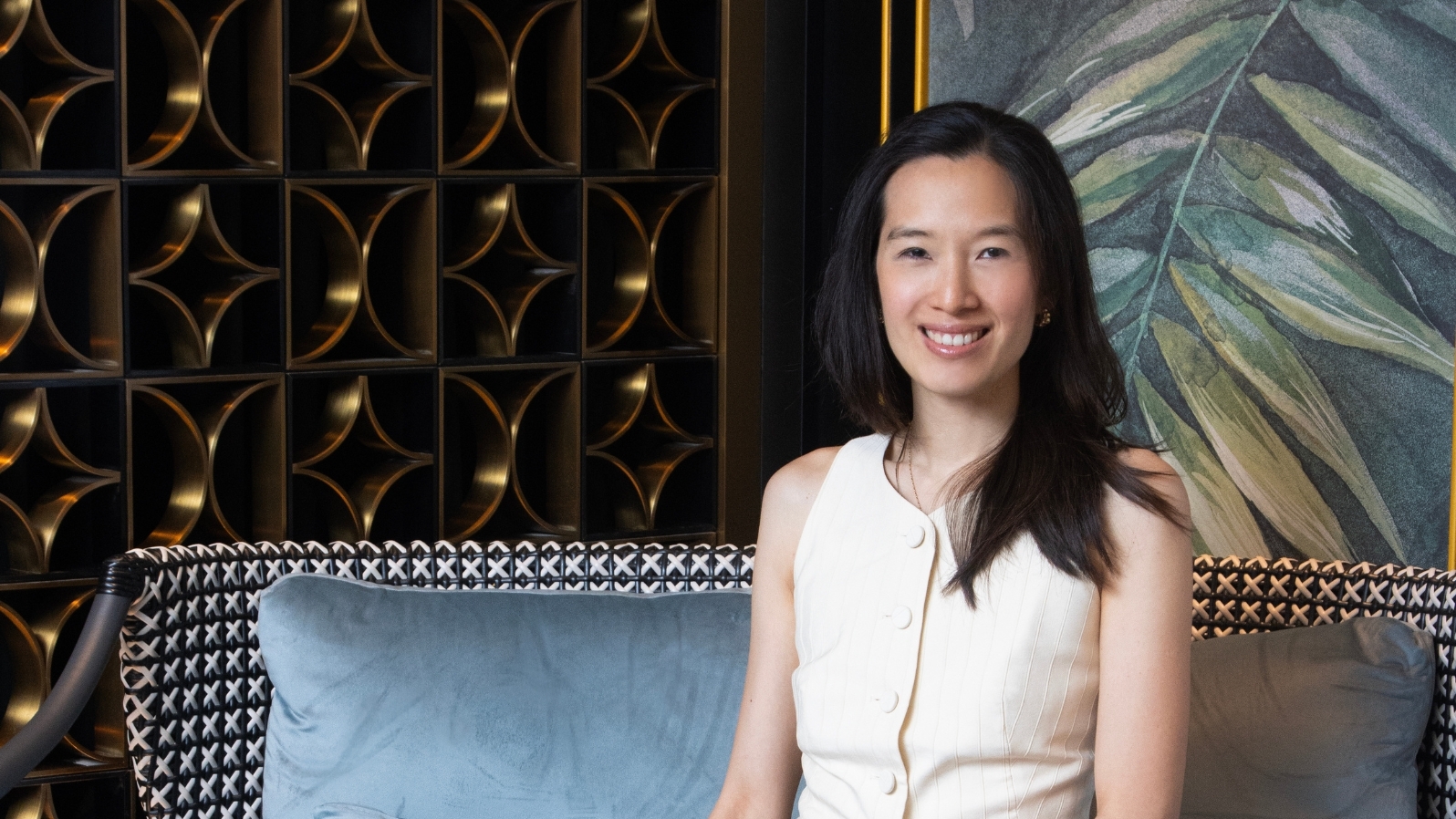
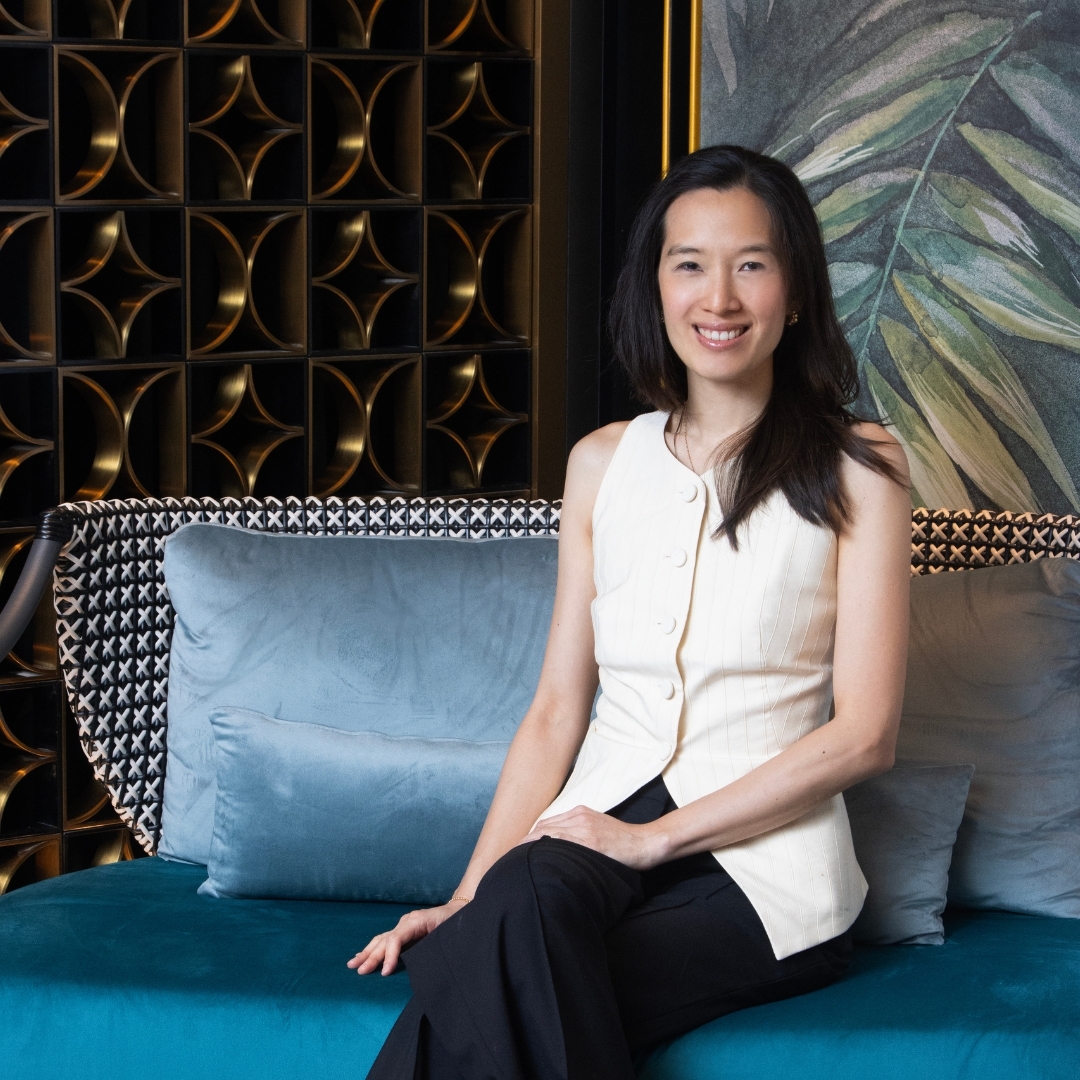
Amanda Pang: Reshaping Elder Care with Evercare

The air in Hong Kong hospitals is often thick with a quiet tension. When an elderly relative stumbles, falls, or takes a turn for the worse, families typically face two choices: a hospital bed or a residential care home. Decades of infrastructure and cultural habit have made institutional care the default.
Amanda Pang is on a mission to challenge that standard. The catalyst was deeply personal: her husband's 95-year-old grandmother had suffered a severe fall. Up to that point, she had lived a deeply dignified life. But as soon as she was admitted to the public hospital, her condition deteriorated rapidly. In a moment of clarity, she looked at her family and made a simple, heart-wrenching request: "I want to go home. I don't belong here."
That moment exposed a fundamental gap in Hong Kong's healthcare system. "Traditionally, we've not given them the option," Amanda explains. "No one chooses to spend their golden years in an institution or a hospital. They'd love to be where they're most comfortable, which happens to be their home setting, a place of familiarity and comfort to them. It's about giving that dignity back to the patient."
That realization sparked the launch of Evercare in 2016, a home-care platform designed to introduce a third avenue of care to Hong Kong: aging in place.
The Road to Healthcare
Before entering the medical space, Amanda spent six years in luxury retail. It is an unorthodox background for a healthcare founder, yet the transition taught her principles that became foundational to Evercare. "One key principle that I learned from retail was 'retail is detail,'" Amanda says. "I learned how to anticipate problems and really solve for the unmet needs."
When she entered into healthcare with no background, no experience, and no network, she brought that same focus with her. "Starting from scratch, it was very exploratory. Every conversation was new for us," Amanda recalls. "It was really all about wayfaring ourselves into the solution. It actually served us very well, because we had no blinders on and no previous experience pulling us back, saying things have to be done a certain way."
They built the marketplace from scratch. "Ken and I did every role you could imagine," she says, "starting from caregiver onboarding to sales, operations, marketing, and customer service." Amanda and her husband rolled up their sleeves and personally interviewed 500 nurses, manually vetting credentials and organizing schedules on Excel. "Getting to the first thousand caregivers took us almost three years," Amanda recalls. Every caregiver underwent rigorous background checks, credential verification, and safety prep before taking their first job, setting a high baseline for quality that would define the company's growth.
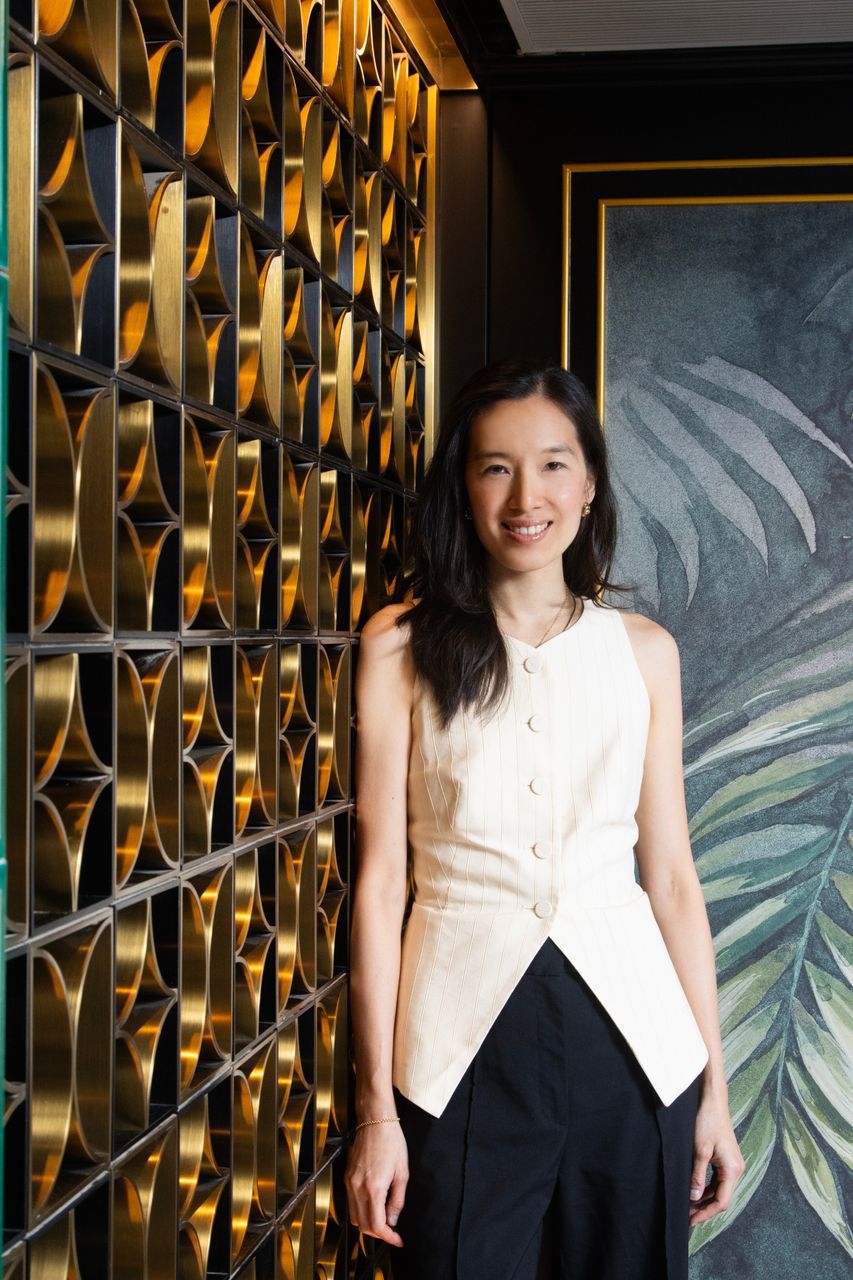
Now in its tenth year, Evercare looks vastly different from its early days. The platform has scaled its network to over 40,000 healthcare professionals, including healthcare workers, enrolled nurses, registered nurses, physiotherapists, speech therapists, and occupational therapists who are matched with patients via a proprietary algorithm that factors in specific medical needs, language abilities, and physical requirements. The flexibility of this model has been a major draw, offering care professionals a way to step outside the rigid boundaries of the traditional healthcare system.
"There was never this choice for them to do freelance work," Amanda explains. "I think that was something quite appealing: 'I don't have to go into an institution and be squeezed into the system. I can actually try looking after someone one-on-one.'"
The Future of Care
Over the next two decades, the proportion of Hong Kong's population aged 85 and older is projected to jump from 3.3 percent to 8.6 percent. Simultaneously, approximately 1.1 million patients are discharged from public hospitals each year, leaving families to navigate complex care requirements on their own. Most family caregivers are thrust into their roles overnight, entirely unprepared for the physical and emotional demands of managing care at home. "Ninety percent are female, and they're mostly working professionals," Amanda explains. "They come into this where they are the sandwich generation, squeezed between their parents as well as looking after their own kids. They're time-poor and overwhelmed. They don't know what they don't know." Evercare's dedicated carers bridge that gap, guiding families through the logistics of equipment procurement, home modifications, and care planning. While algorithm-driven matching accelerates the placement process, Amanda stresses that technology must remain behind the scenes. "Technology is an enabler for us to create scale and automate workflows, but the human touch can never be ignored," she says. "Maintaining quality and consistency comes down to three components: speed, quality, and trust."
To manage this network without compromising safety, Evercare built the Evercare Academy, an online training platform that trains and upskills caregivers in everything from home safety and communication to specialized needs like swallowing difficulties. Caregivers must complete mandatory training modules before entering a client's home. The company also deploys geofenced check-ins and proactive care reports, giving peace of mind to remote family members or working adults.

Shifting Mindsets
Convincing Hong Kong families to embrace home care means dismantling deep-rooted cultural stigma. Historically, options have been limited to institutional settings, and bringing outside medical care into a private residence was a foreign concept. Many families still worry that a home environment cannot replicate the safety of a hospital. Despite these traditional mindsets, data indicates that public preferences are shifting. A study by the Chinese University of Hong Kong (CUHK) revealed that 80 percent of people want to age in place at home. Evercare is working to bridge that gap through care protocols co-designed with the University of Hong Kong. Today, those standards are trusted across all seven Hospital Authority clusters and leading private hospitals, ensuring that home care meets the same standards families expect in hospitals. Government schemes like the Community Care Service Voucher have also helped make the option more accessible across income levels. By integrating with existing public infrastructure rather than trying to completely reinvent it, Evercare is helping to normalize the concept of home-based care.
Future Horizons
Looking forward, Amanda is setting her sights on end-of-life care. Most individuals wish to spend their final days in the comfort of home, yet systemic hurdles have made that choice nearly impossible. "A lot of people want to be comfortable in the run-up to the end of life," she notes. "Most people pass away in the hospital not out of will, but because the choice to pass on at home has just not been widespread."
With the rapid growth of Hong Kong's elderly population, the current reality of hospital-centric end-of-life care is unsustainable. Evercare is actively building programs to facilitate that transition, ensuring that families have a viable alternative.
For Amanda, the definition of success has evolved away from financial metrics. Today, it is about creating a practical home-care system that eases pressure on public hospitals and gives families something simple but rare when things are difficult: a measure of peace of mind. "For me now, it's about the freedom to spend time with the people I love the most, and to be able to work on something that's greater than myself. That brings purpose and meaning to others around me."
For Amanda, keeping Evercare anchored to its foundational values is a personal commitment as much as a professional strategy. "One day, it will happen to us as well," she reflects. "I really want to feel prepared that we will be able to deliver the right care at the right time for our own families as well."