Redesigning the Future: Isabella Alveberg's Snøhetta Revolution

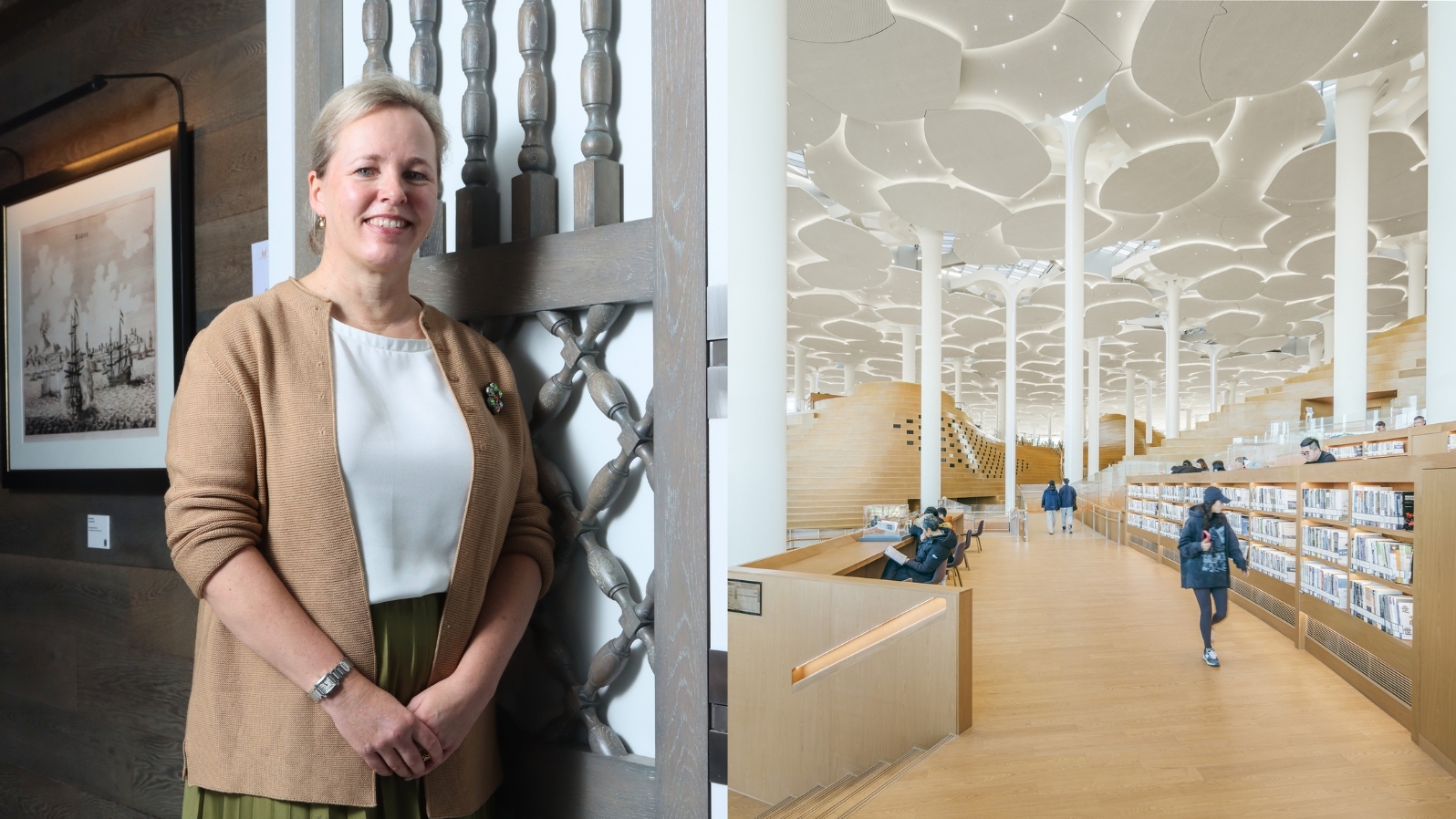
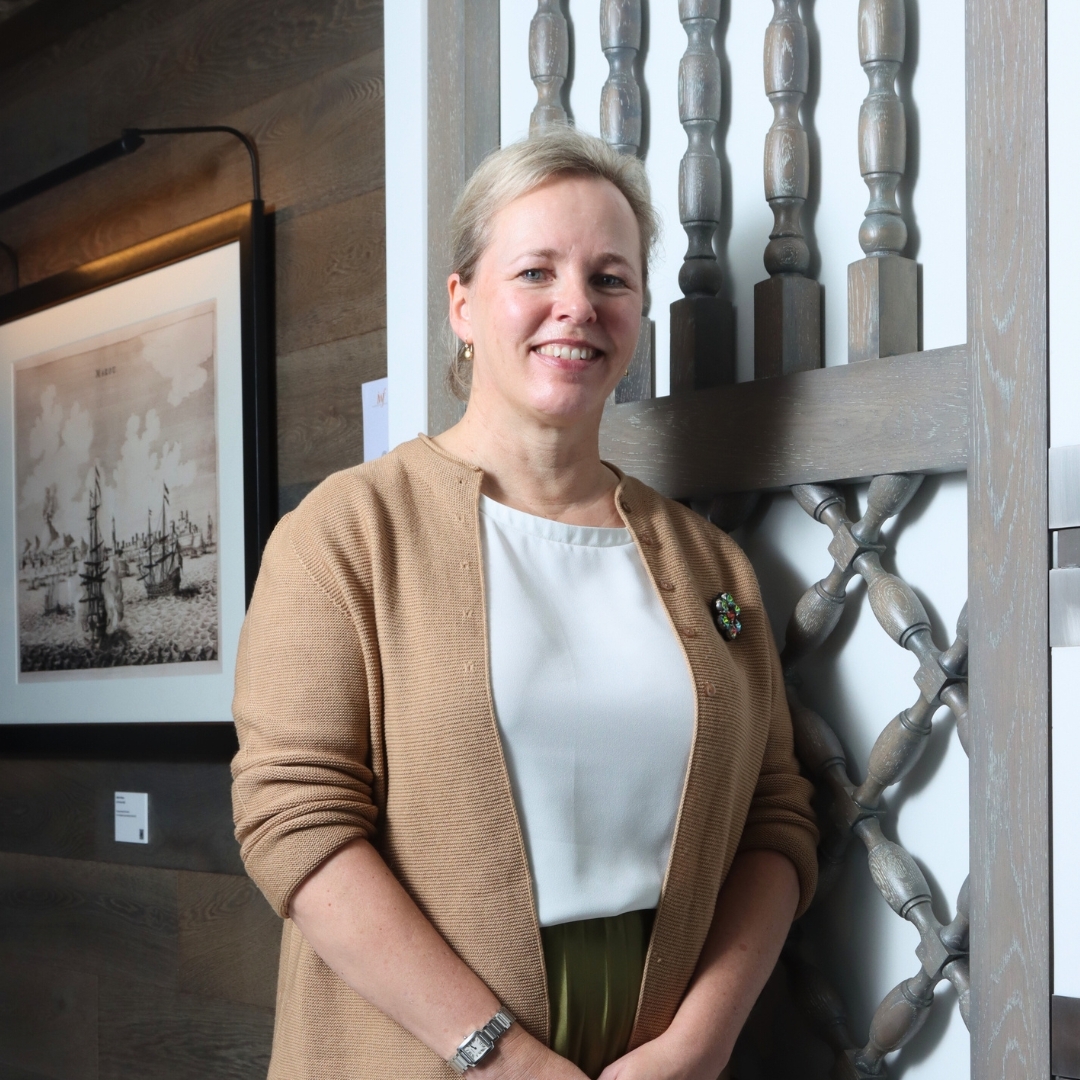
Isabella Alveberg, CEO of Snøhetta, has had an unusual path. She moved from cybersecurity into architecture, becoming the first non-designer to lead the firm in its then 30-year history. Since taking the role in 2018, she has mixed a practical tech background with a clear focus on design that serves a purpose.
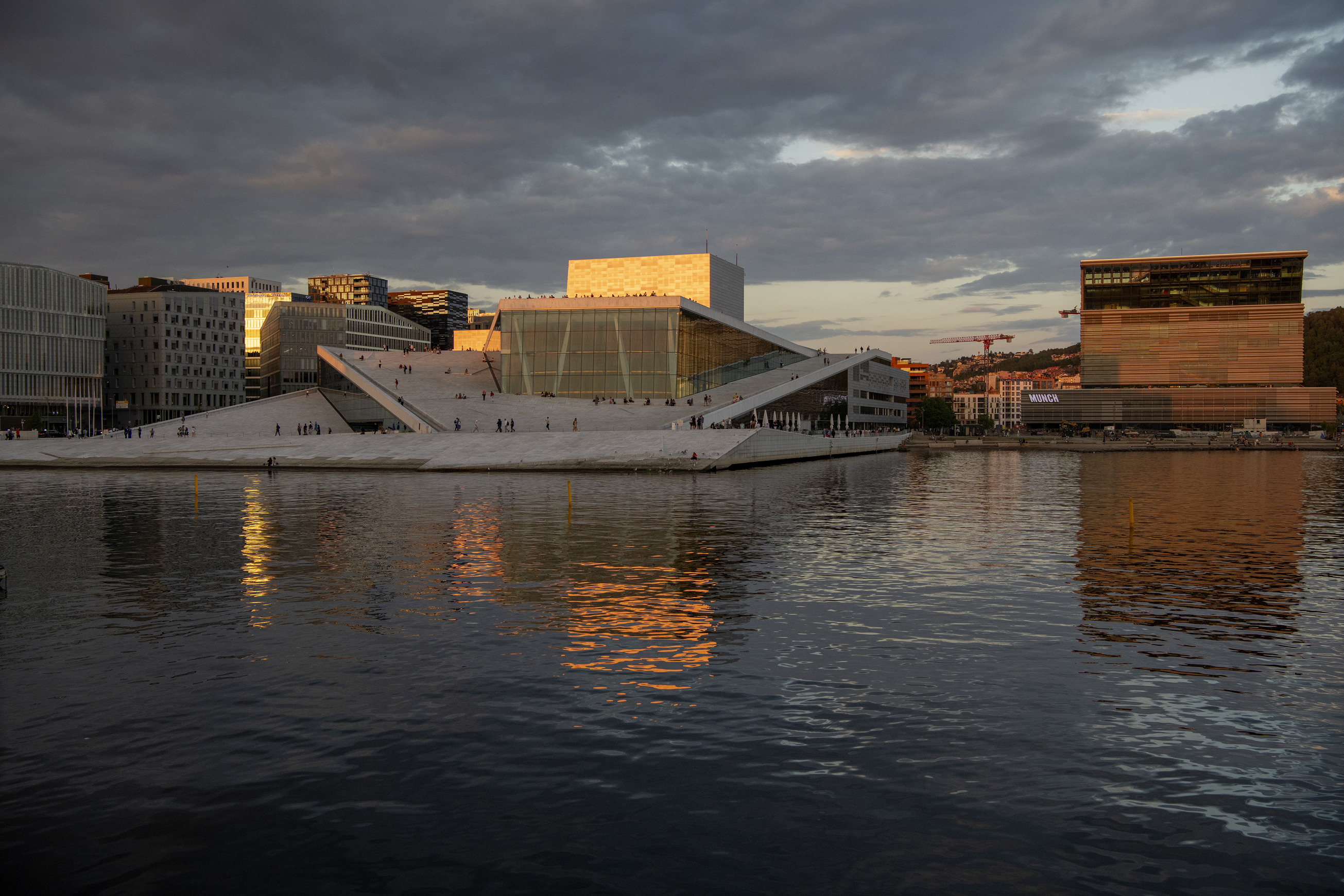
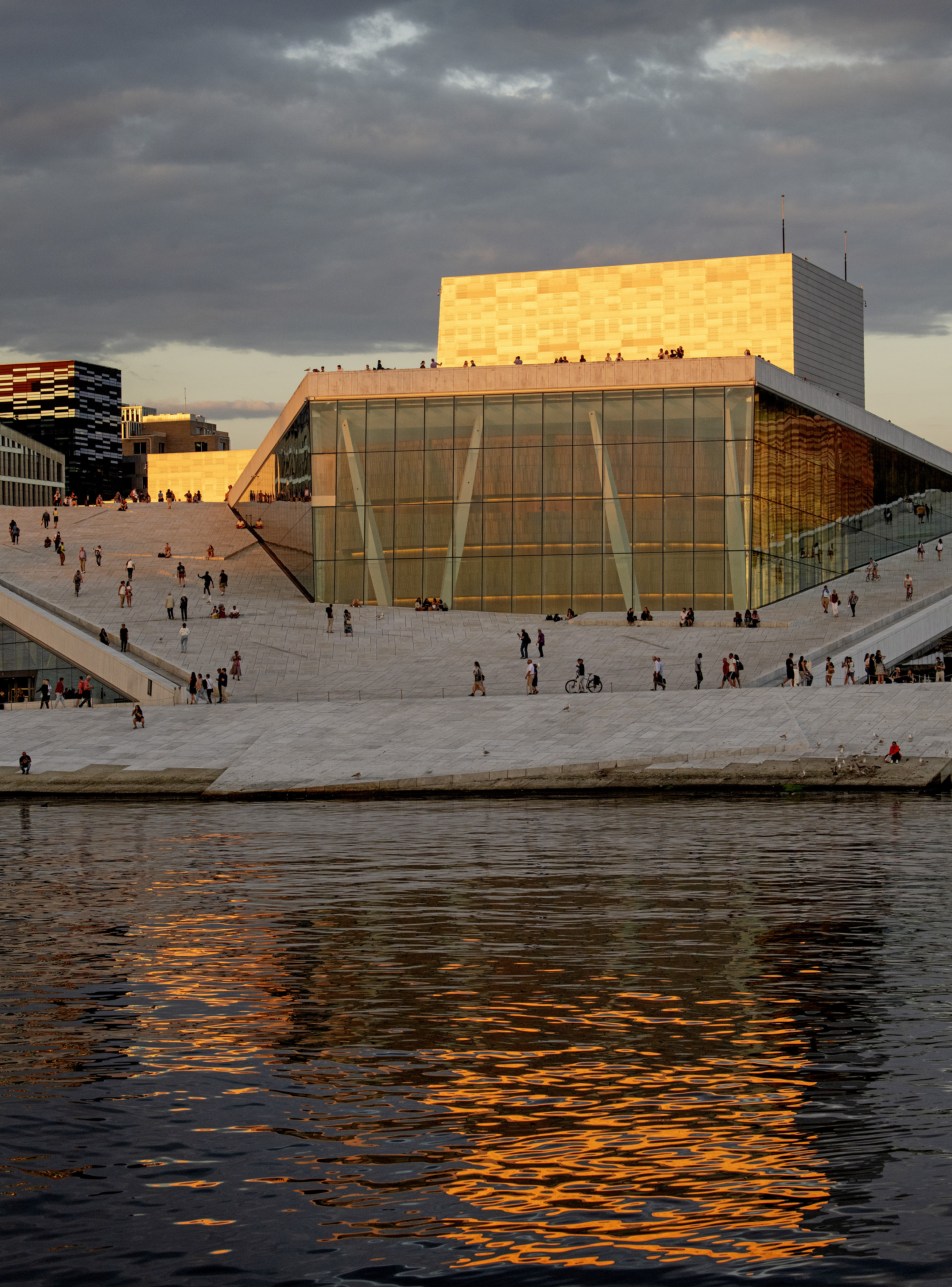
Snøhetta is known for projects like the Norwegian National Opera and Ballet and the Bibliotheca Alexandrina. It works across architecture, landscape, interior, product, graphic and digital design. With Isabella at the helm, the firm has grown to eight cities, from Oslo to Hong Kong, while deepening its commitment to sustainable and community-focused work. While most CEOs in the field come up through design ranks, Isabella's background has helped the company tackle old problems: outdated business models, undervalued creative work, and a competitive race to cut cost.
As a woman in a male-heavy space, her rise to Snøhetta’s top role signals a broader shift toward more diversified leadership in a profession overdue for inclusion. Her philosophy of “ethical profitability" - balancing financial health with social and environmental good - lines up closely with what Snøhetta has always stood for.
Breaking the Blueprint: The Power of an Outsider’s Lens
Isabella’s move to Snøhetta started in 2016. After 30 years in IT—15 of them at Microsoft Norway, then leading Avast Software—she hit a familiar wall after being passed over for a senior job in a male-dominated industry. Instead of stopping there, she took a mentor’s advice to heart: “Don’t be defined by barriers that others set for you. Define your own barriers that you want to break through.”

Her first step wasn’t toward architecture but inward. Before leaving Avast, she set up Women@Avast, a mentorship program uniting ten standout women to defy the glass ceiling she’d repeatedly encountered. The initiative became a revelation for Isabella. When Snøhetta approached her in 2018, the fit felt right. “Snøhetta is a place where my brain is challenged every single day, but also my heart works every day, because I feel that what we’re doing is purposeful,” she said.
Her tech background brought unexpected strengths. She knew how to navigate complexity, streamline systems, and run teams across countries. Architecture faced many of the same sticking points she had already overcome in IT: stagnant business models, creativity sidelined by cost pressures. Free from the constraints of design dogma, she reframed success: not just numbers, but as spaces that uplift communities and actually help the people who use them.
Bridging Legacy and Innovation: Earning Trust in a Creative Dynasty
Taking over Snøhetta’s leadership meant inheriting a creative dynasty.
The previous co-founder had led for 30 years and left behind landmarks like the Oslo Opera House, and Isabella faced a daunting task: earning trust without unravelling that legacy. She called the six-month handover a “dating period," the CEO’s leap of faith in entrusting its legacy to an outsider. “He was handing over his baby to somebody who didn’t know at all what happened with that,” she later recalled.
Without any formal training in design, she positioned herself as a facilitator, concentrating on making the operational side stronger so the 350-person team could focus on the work. She cleaned up support processes and sharpened how the global studios worked. The founder had voiced a fear of being “being bureaucratized"; Isabella proved that clearer systems could free people up rather than hold them back.
The pandemic became her proving ground. When studios closed in 2020, her tech experienced helped the firm switch quickly to digital ways of working. Projects stayed on track, morale held steady, and her leadership cemented trust across the organization. Beyond logistics, she also worked on creating a sense of psychological safety so people felt able to try bold new ideas. “Mine is more creating that security within a company where we’re free to be creative, within certain boundaries,” she explains. The mix of backgrounds across the studios has become one of the firm’s strengths.
Global Vision, Local Impact
Isabella runs a network that stretches across cultures. Biannual gatherings in Oslo unite teams from eight cities, ending with a symbolic hike up Snøhetta mountain: a simple ritual that bonds 350 people from more than 40 nationalities. Workshops regularly bring in people from outside the firm - artists, philosophers, local residents - to keep ideas fresh.
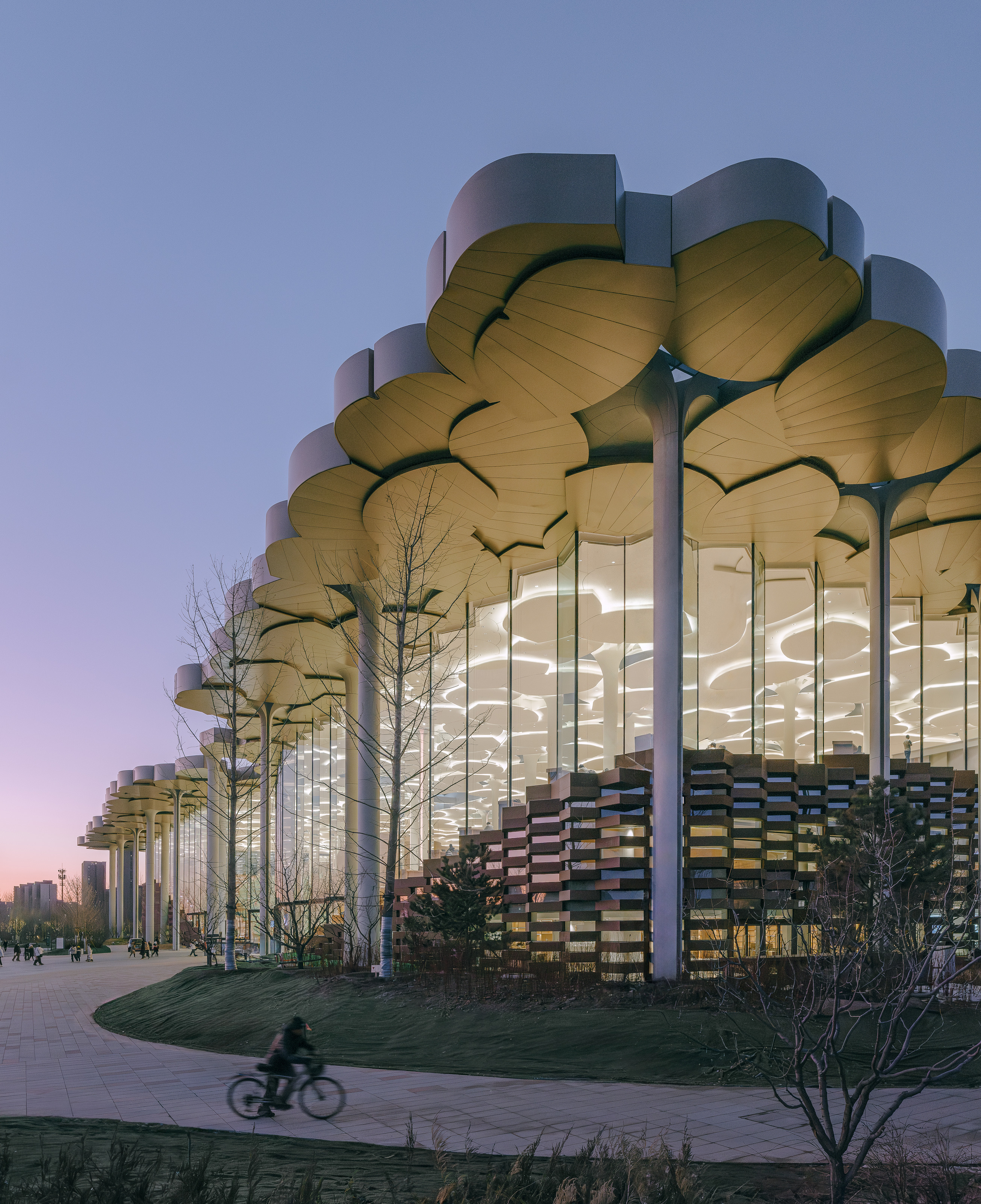
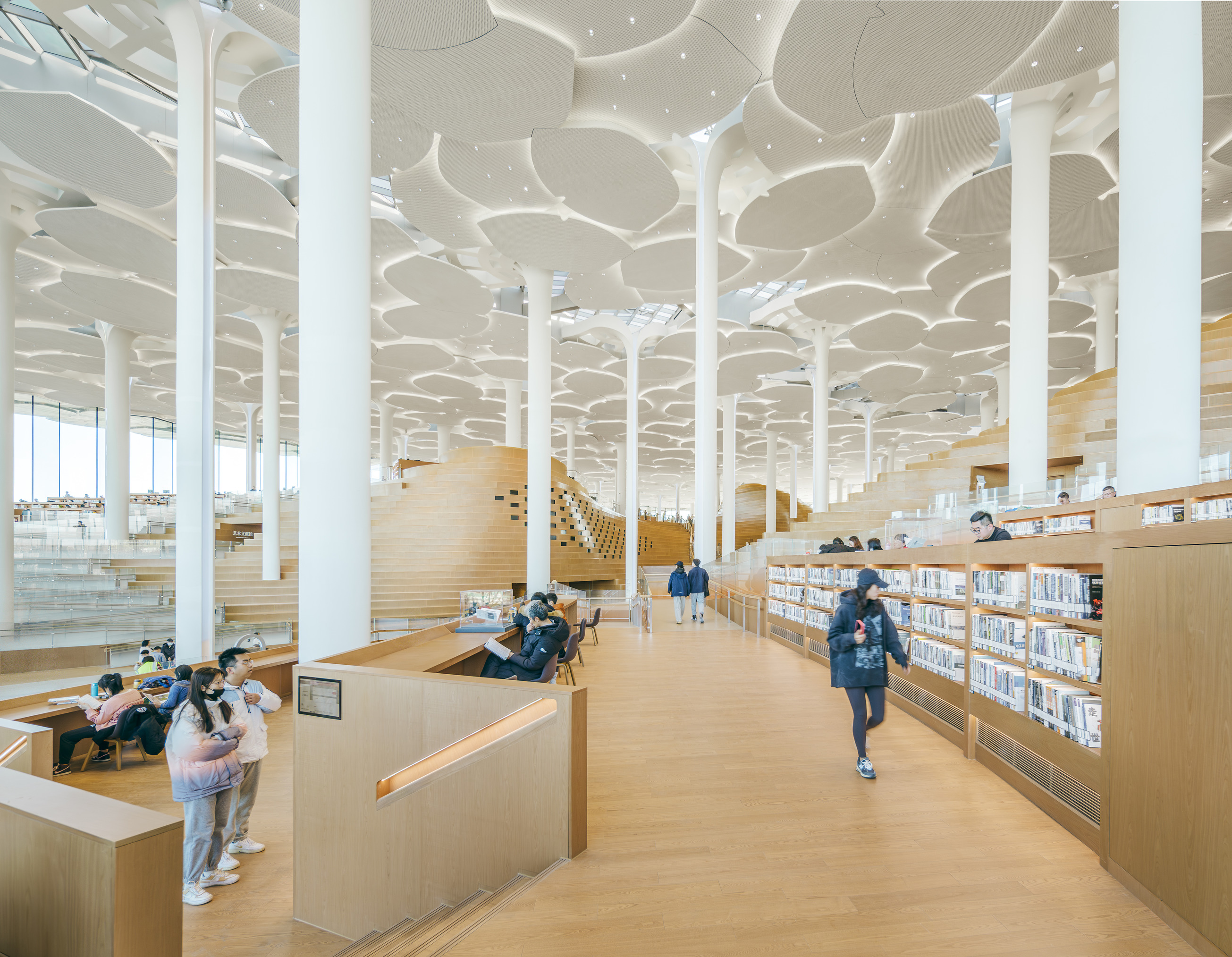
The Beijing Library is one result. It attracted 3.7 million visitors in its first year and hosted 3,400 events, becoming a real community space rather than just a building.
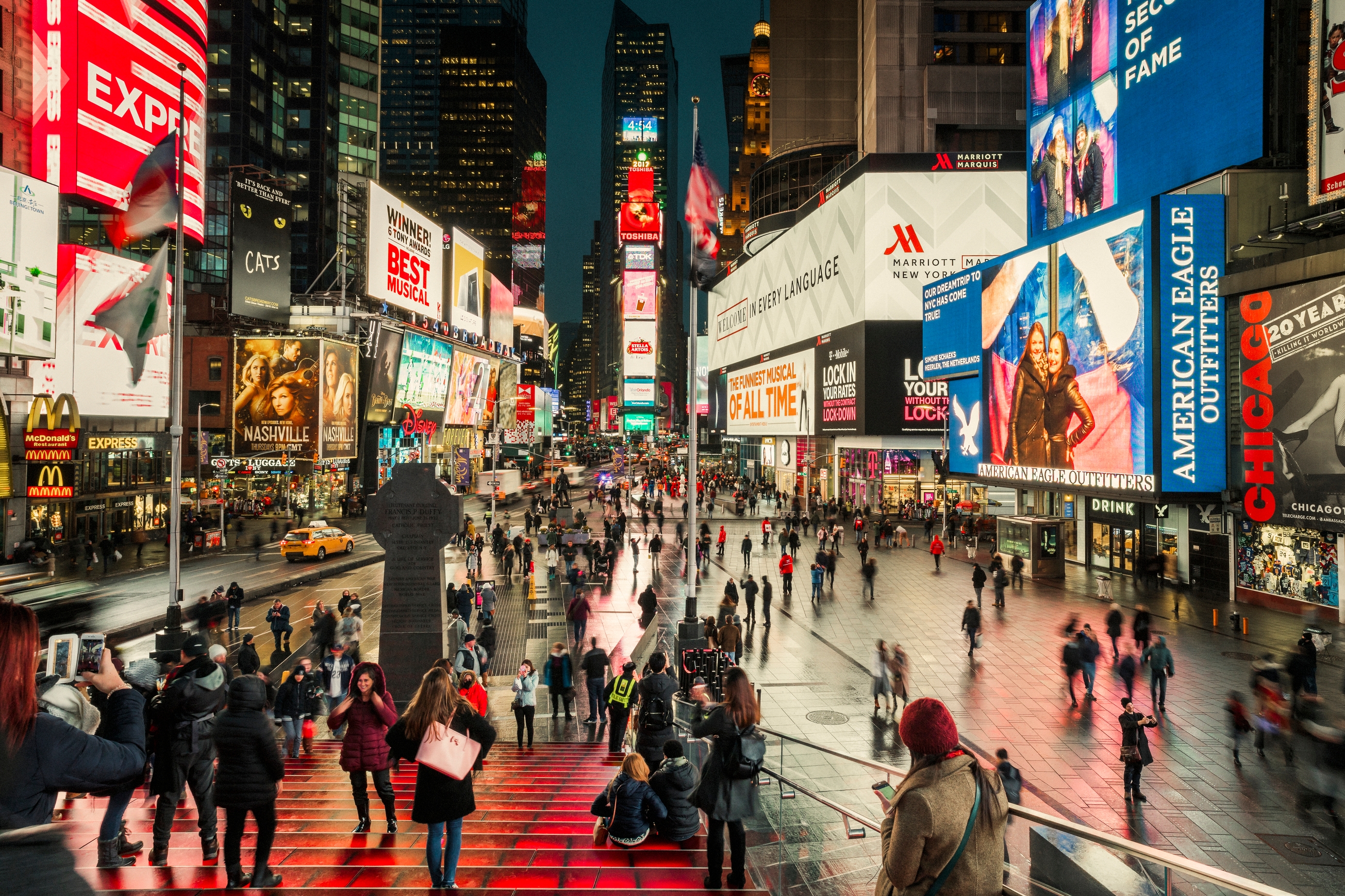
The same thinking shaped the Times Square overhaul, finished in 2017 under Isabella's leadership. Once a dangerous, congested mess despite its 330,000 daily visitors, the redesign transformed it into a civic gem, carving out 2.5 acres of pedestrian-only plazas between 42nd and 47th Streets. Working with New York City’s Department of Design and Construction and the Times Square Business Improvement District, the team removed curbs, cleared clutter, and added granite benches. Pedestrian space nearly doubled. Injuries dropped 40 percent, and crime fell 20 percent.
Rethinking Sustainability: Building for a Carbon-Neutral Future
Isabella is blunt about the industry’s fee structure. “Our business model is not based on the input of creativity or value increased by ideas; our business model is based on percentage of the cost." Snøhetta now incorporates social benefits, environmental gains, and community uplift into its approach, dodging the industry’s price-driven competition. Through dialogues with clients, she’s shifting mindsets, positioning quality design as an investment rather than a cost.
Her push for sustainability is ambitious. Beyond the 2049 carbon-neutral target, Snøhetta is experimenting with carbon-negative materials and energy-positive buildings. The Beijing Library shows the dual approach: green design choices that also support cultural life, while the business stays healthy enough to take on ambitious work without losing its creative edge.
Empowering Through Diversity: Mentorship and Inclusion in Action
Her experience with Women@Avast taught Isabella a key lesson: change requires allies, not just advocates. Isabella has built a mentorship web that pairs seniors and emerging leaders, gender aside, with tailored support for women. Cross-disciplinary circles encourage collaboration, while flexible policies, like parental support and clear advancement paths, have increased the number of women in leadership roles across studios. The firm tracks progress with diversity targets and open discussions. She shares what they learn at industry events, nudging the wider industry toward equity with steady, deliberate steps.
Architecture with Heart: Creating Spaces That Serve
Isabella describes the firm’s approach as “community-friendly architecture.” “We try and engage with the communities to understand how this building is supposed to function,” she explained, emphasizing that design must prioritize the people it serves. Buildings are treated as places that should improve daily life, not just stand there.
Isabella is committed to giving back to communities through design, an approach that stands out in projects like Times Square. Before finalizing the redesign, Snøhetta set up temporary installations - movable seating, pop-up pathways - inviting pedestrians to test and critique them in real time before anything was made permanent. “We try and engage with users regardless of backgrounds, gender, religion, nationality,” she noted, ensuring every voice informs the outcome.
The work also aims to be regenerative: spaces that give more than they take. Public green roofs, multi-use community rooms and integrated art turn buildings into assets for the neighborhood. “Buildings don’t just serve a functional purpose, they actually serve the people who need to inhabit them.”
Shaping the Future: A Legacy of Purpose
Since 2018, Isabella has combined the precision she learned in tech with the creative energy that already existed at Snøhetta, cementing its role as a sustainable, inclusive leader. Beyond maintaining Snøhetta’s legacy since 2018, Isabella has proven that someone from outside the usual path can still lead a design practice effectively.
Looking ahead, Isabella envisions Snøhetta crafting architecture and design that respond to real needs, regenerate what it uses, and improve the places people live and work; not merely adapting to the future, but shaping it. The lasting impact will transcend buildings like the Oslo Opera House or Beijing Library, continuing to live on in the everyday lives those spaces affect.