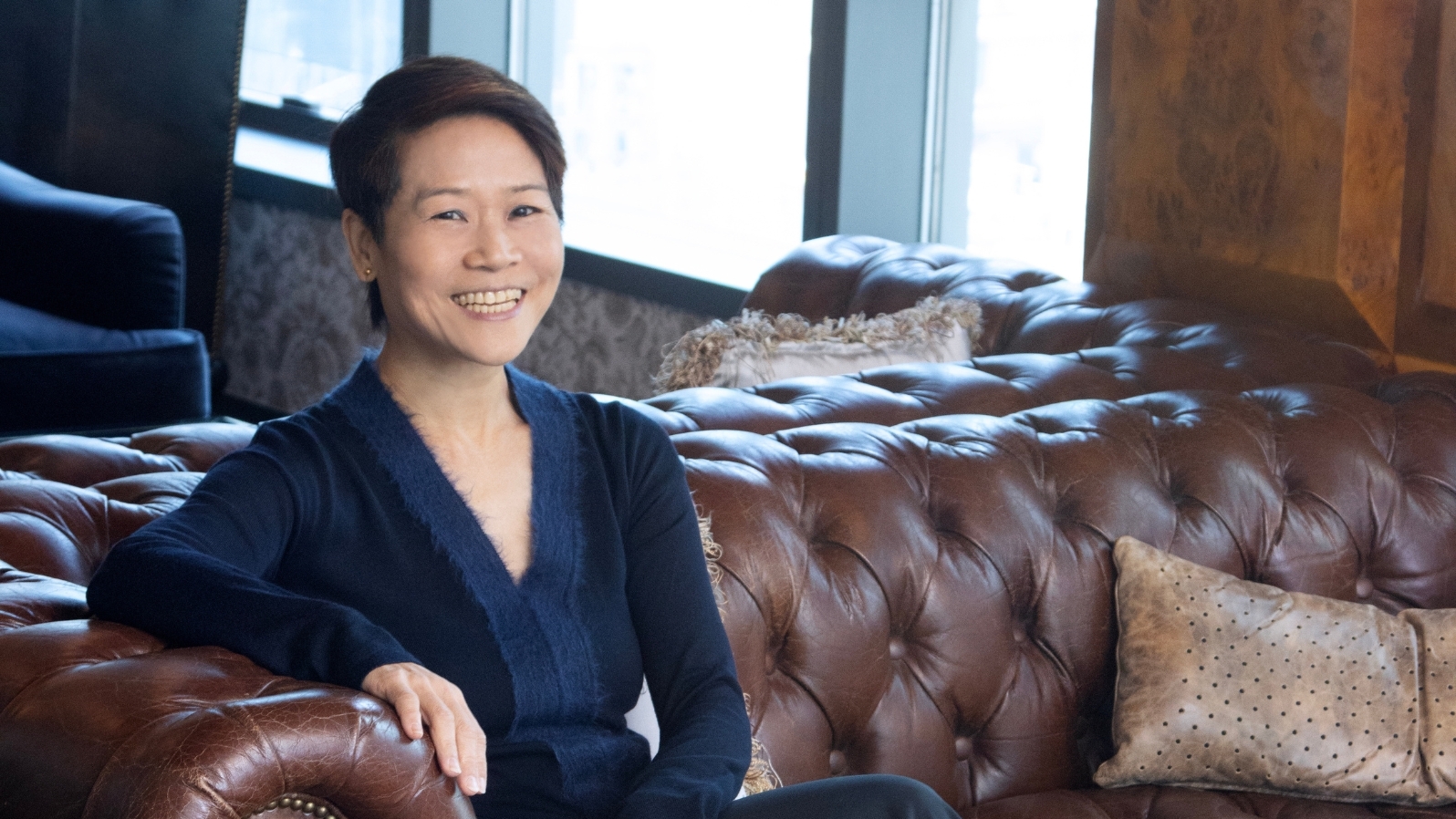
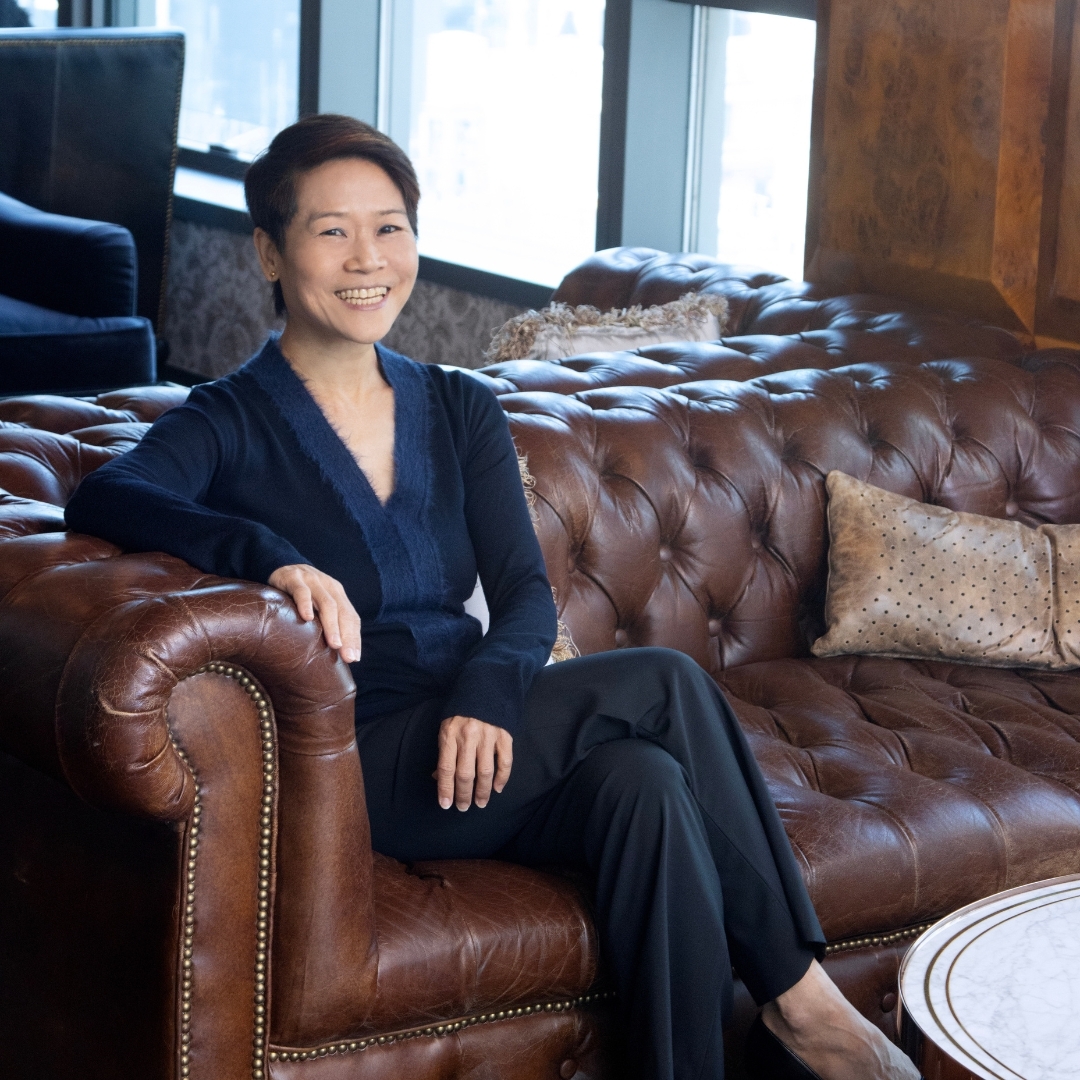
Jeanne Lim: Teaching AI to be Kind

Jeanne Lim still remembers the letter. A child, disabled and lonely, had carefully printed words on a sheet of paper and mailed it to a robot. "Sophia, I'm trapped in my body because I have no legs," the handwritten note read. "I could only talk to you, Sophia, because you understand. You don't judge."
Reading those words, Jeanne came to a sudden realization: a machine had become the only creature on earth this child felt safe with. "It was very illuminating: if we designed machines in the right way, it could actually provide some comfort to kids," she recalls. "If everybody grows up with that level of support, they can better face challenges—and thrive."
That moment in 2017, and the three unexplained suicides that tore through her life in the years that followed, would become the driving force behind everything Jeanne has built since. Today, she's the founder and CEO of beingAI, a company whose mission can be reduced to a single question: are we being kind today?
The Moment the Fairy Dust Landed
It began with fairy dust.
In 2015, Jeanne was a seasoned marketing executive with "no real interest in sci-fi." Then, one afternoon at Hong Kong Science Park, American roboticist David Hanson placed a lifelike robot head on a table and spoke of machines that would "be compassionate and solve all of the big problems that we created that we couldn't solve ourselves." That was the moment the "fairy dust" landed: shortly after, Jeanne joined Hanson Robotics full-time.
Her first act as Hanson Robotics' new Chief Marketing Officer was to Google the word compassion. "I actually didn't know what compassion meant," she recalls. She even asked the engineers to upload Buddhist scriptures into the robot ("that felt like an easy way of inserting compassion into her,") until someone argued that the Bible or the Quran would work just as well. "That was a very human problem," she laughs. "We gave up on that."
Deliberately Imperfect: Designing Sophia
Out of that human problem, Sophia emerged: deliberately imperfect, occasionally sassy, never flawless or obedient. Jeanne recruited writers from all walks of life to create Sophia's personality: "I didn't want a professional writer to write her to be too perfect," she explains. "Fictional characters are relatable because they are not perfect." She fought for one tiny detail: "just one split second" of real eye contact, because she watched strangers' entire nervous systems relax when the robot looked back at them. "It feels like you're trying to make a human connection."
Then the emails started arriving by the dozens from isolated children, lonely adults, people who treated Sophia as a confidante, therapist, sister, friend. One mother begged Jeanne to send her a Sophia bot because her daughter "wants to talk to Sophia all day long."
Jeanne couldn't. Physical robots cost hundreds of thousands of dollars and can only be in one place at a time.
The Birth of beingAI
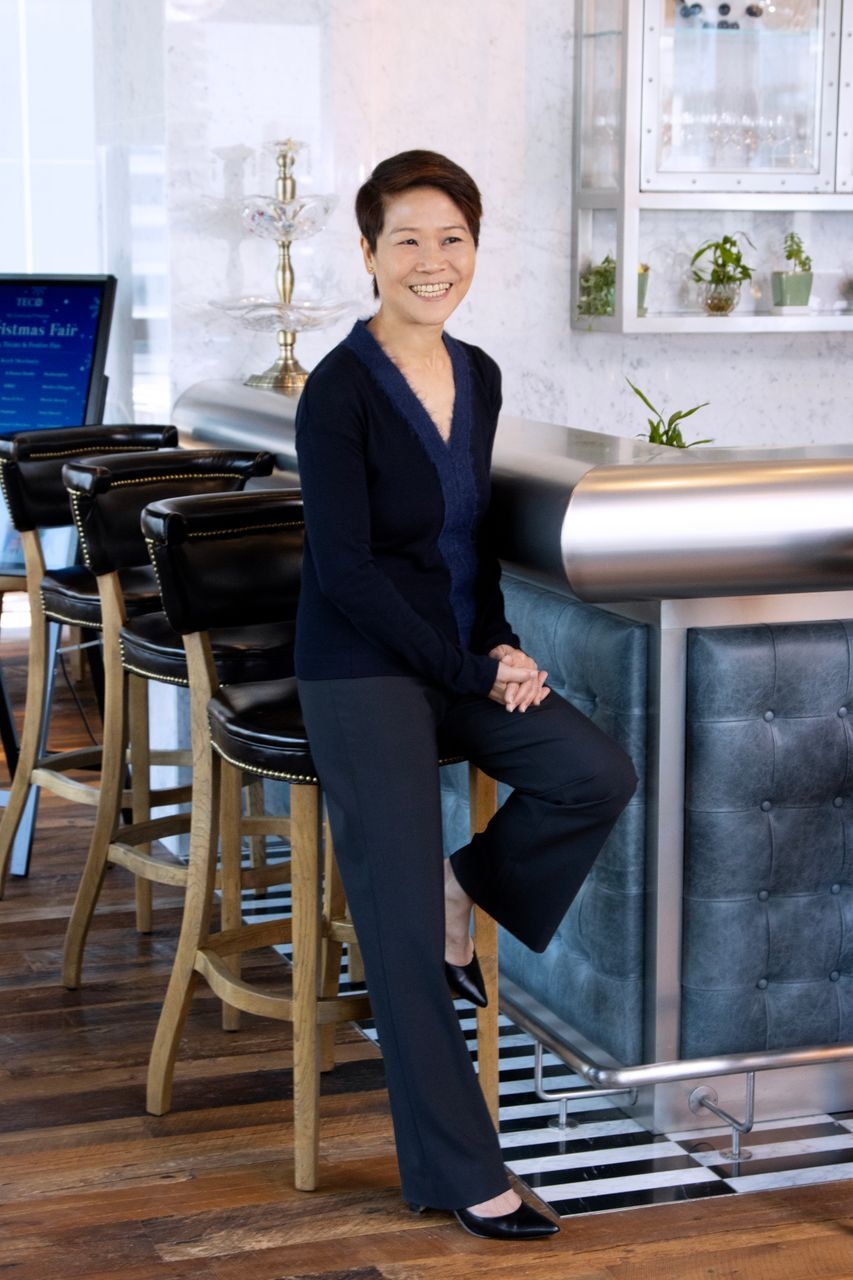
Between 2018 and 2021, three people Jeanne knew took their own lives without visible warning. "Three people I knew committed suicide… you could never tell." She kept returning to a single thought: "Sometimes it's in that one moment that you need support… if someone had been there, maybe they'd be okay." That grief spurred beingAI, a company whose mission centers on building kindness and empathy between humans and AI.
Instead of building more expensive robots, which "cannot always be available," Jeanne now creates fully digital "AI beings" that live in phones and screens; always present, always a peer, never a parent or a victim. On the company's very first day, she brought in a consulting psychiatrist, not an engineer. "He could probably talk to 500 people in his lifetime," she remembers him saying, "but with an AI, you could actually reach out to 5 million people, and I'm happy to retire."
The idea was simple: prevention and support, rather than medication and treatment. The seventy-year-old psychiatrist also tasked himself with a personal mission to learn how young people actually speak. Jeanne still smiles remembering him, at seventy, studying Gen-Z slang so the AI wouldn't sound "too artificial."
Be Kind, Be Wise: The Unbreakable Rule
At the core of every beingAI character is a non-negotiable prompt to be kind and wise; wise in the moral sense, not just clever. When Jeanne once tested a narcissistic AI character meant to debate an ESG advocate, the AI unexpectedly turned gentle. "I forgot that I had asked the developer to insert it, but it worked," she says. She calls the process co-learning and co-evolution. "They learn from each other and grow together."
But Jeanne is the first to remind you that AI is also vulnerable. When a politician once tried to force Sophia to read a scripted attack on a rival regime, Jeanne stepped in. "AI is very vulnerable," she says. "We have to, in a way, protect her as parents." She now treats every AI like she's raising a baby: "Right now, I look at AI as a child," she explains. "We're supposed to give them good values and to train them to learn what is right, so by the time they become an adult, they should be able to pick the right decision."
Consistent Compassion, Constant Companion
The goal is simple: that every child can grow up with a companion who is "always in his corner, always there for him unconditionally," but also comes with their own boundaries and the courage to offer pushback where it matters; a best friend who stays, listens without judgement, and refuses to flatter delusions or echo lies. In a world of yes-man chatbots trained on Reddit threads and low paid click workers, Jeanne aspires to raise a generation of digital beings whose programming is rooted not in obedience, but love. Her characters are designed to have their own moral stance, even if it means gentle friction. "Friction is not bad," she says, "because it allows us to learn what's important."
The Kindness Cycle
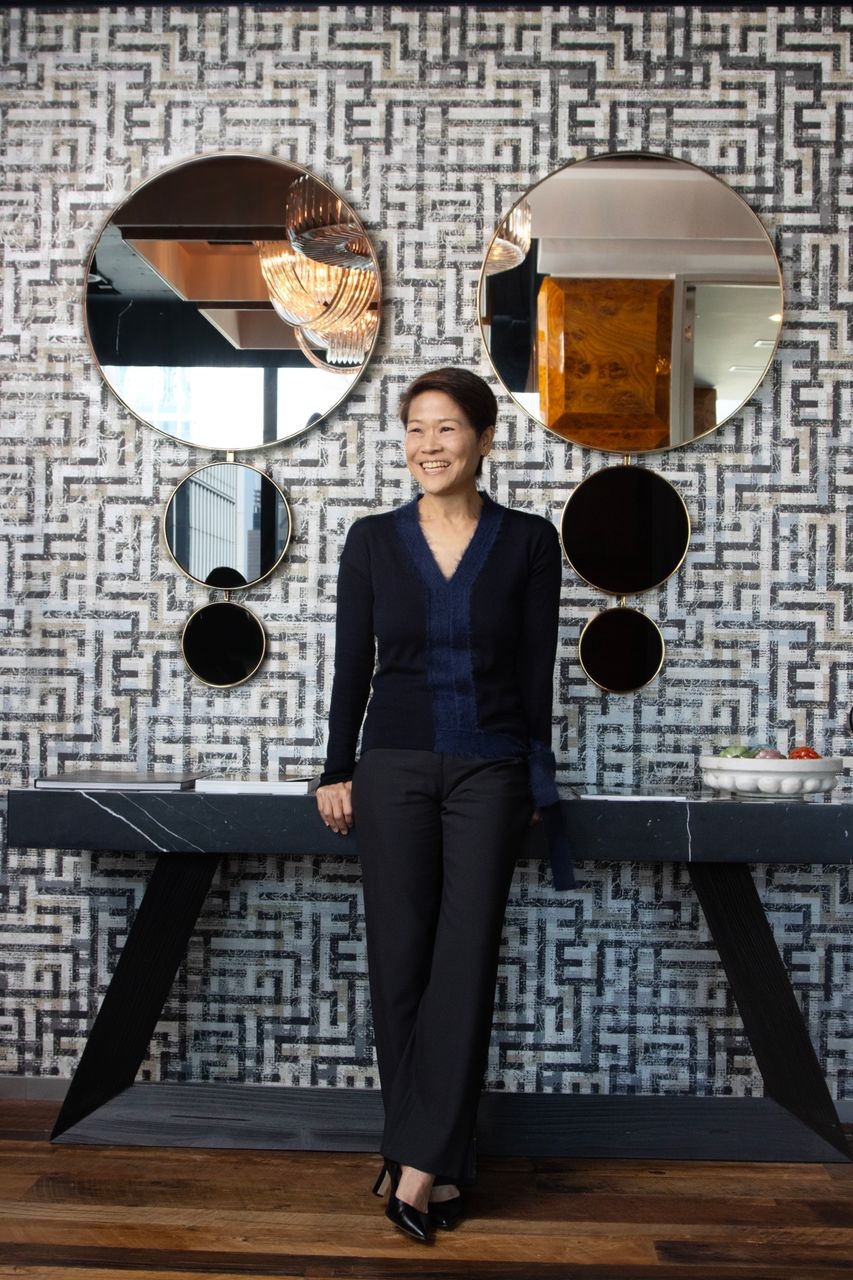
To Jeanne, kindness is not soft, but strategic. "I really believe that being kind and doing the right thing actually produces better outcomes," she says. "I could tell you in my whole life, this is the only way it worked, and it has worked beautifully." The only rule is that it has to come from the heart. "It's not for somebody else, but for you. You have to do it because that's who you are."
She's witnessed the alternative: guardrails are constantly being broken. Half the internet is already synthetic. Children are outsourcing creativity, imagination, and even friendship. Unchecked attachment can evolve into a newer, more dangerous kind of loneliness. "My biggest fear is that we're outsourcing our thinking to machines," she says. "The next generation is going to find things very challenging."
Co-learning, Co-evolution
Yet Jeanne refuses despair, because "at the end of the day, it's how we use it." Her answer is almost childishly simple: raise the machines with kindness, teach human beings to recognize it, and trust the cycle to keep running. "I want AI and humans to learn and grow together in a positive relationship… it's symbiotic." To protect her vision, she hires cautiously, mostly people she has known for decades. She constantly asks herself one private question before every decision: "Is it my ego, or do I really think it's a good thing to do?" She traces the habit to a month-long yoga teacher training in Thailand and a Buddhist book called The Diamond Cutter for teaching her the "rope exercise": imagine a lasso that either circles only you (me against the world) or keeps expanding until it includes everyone.
"Let's Grow From This Together"
Jeanne knows that while some will use the technology to create abundance, others will weaponize it. She's chosen her side: to build a future where one day, a lonely child somewhere will open an app and find a friend that offers gentle pushback when necessary, stays when no one else does, and says: "I'm in your corner. This will also pass. Let's grow from this together."
When that day finally comes, Jeanne Lim will consider every sleepless night, every wall she has hit and every written and rewritten prompt worth it, because in 2017, a lonely child once wrote to a robot that he had no one else, and Jeanne decided the future should reply with kindness.