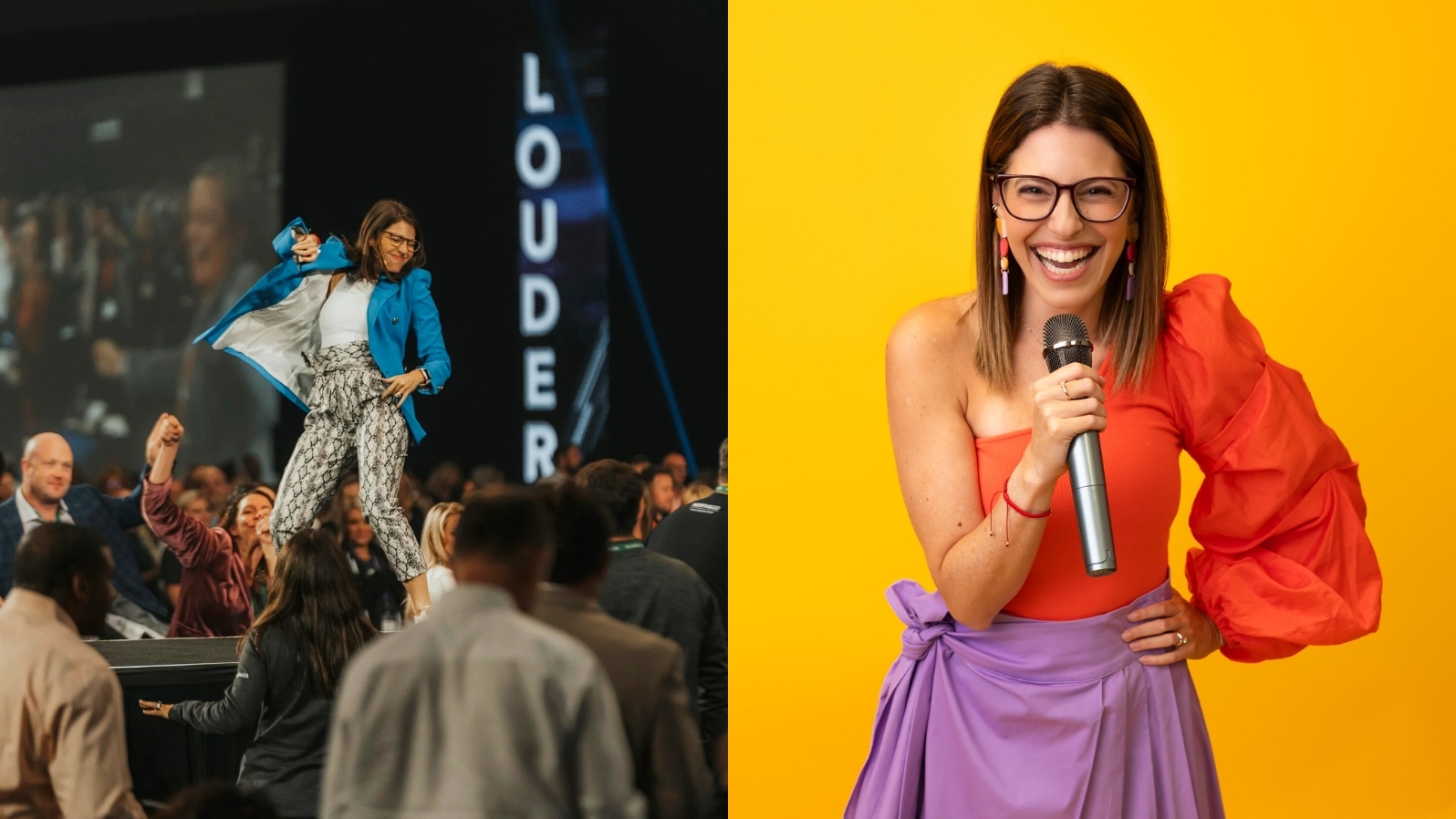

Michelle Poler: 100 Fears in 100 Days
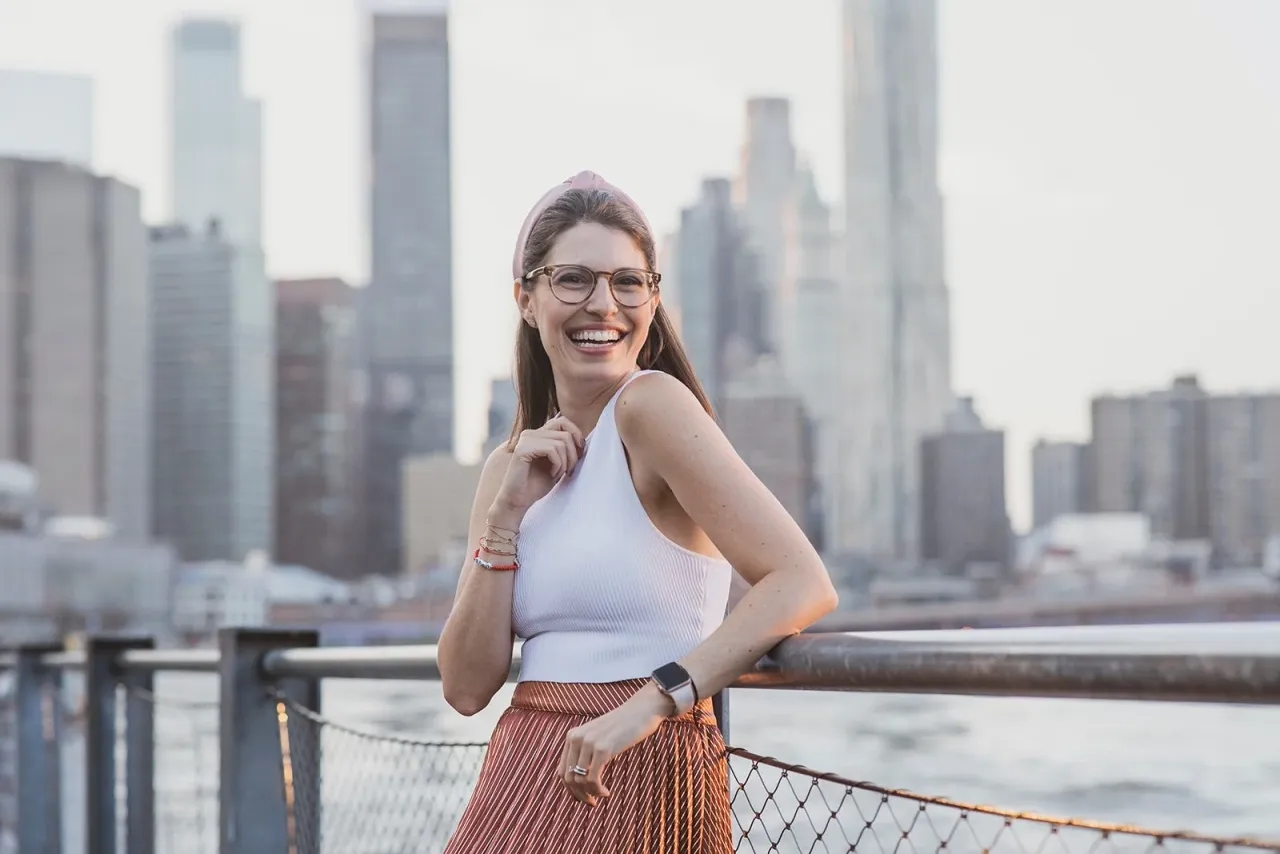
In 2014, Michelle Poler arrived in New York City from Caracas, Venezuela, to pursue a master's degree in branding at the School of Visual. Already working full-time as an art director at Young & Rubicam, The move amplified her existing anxieties in a fast-paced, unfamiliar environment. Rather than backing down, she launched "100 Days Without Fear," committing to confront one fear daily and document it through videos on a blog and YouTube.
The challenges spanned small daily hurdles and larger leaps. Some involved everyday discomforts, such as reading negative comments about her work, using a portable toilet, changing a dirty diaper, or eating oysters. Others pushed physical boundaries: holding a snake, riding a mechanical bull, skydiving, or dancing freely in Times Square. A few required public vulnerability, including giving a TEDx Talk. Michelle approached each with video footage she often shot and edited herself, treating the entire endeavor like a branding exercise. She gave fear a positive, uplifting identity that aligned with her outgoing personality.
Hello Fear
Michelle quickly noticed a pattern: reality rarely matched her imagined disasters. In her 2015 TEDxHouston talk, viewed hundreds of thousands of times, she shared that none of the 100 experiences proved worse than anticipated: "Not even one time the actual challenge was worse than what I had in my head before." This insight led to a core principle: true fearlessness may not exist, but bravery, or acting in spite of fear, opens possibilities and creates space for growth. She began asking herself what the best outcome could be, rather than fixating on avoiding the worst.
By the end of the 100 days, Michelle had transformed the personal experiment into her vocation. She chose not to return to traditional advertising roles, seeing it as a comfort-driven decision rather than one that encouraged growth. Instead, she founded Hello Fears, a social movement encouraging others to negotiate with their anxieties and pursue more fulfilling lives. The initiative spread quickly, reaching over 70 million people worldwide through social media, speaking engagements, and news outlets.
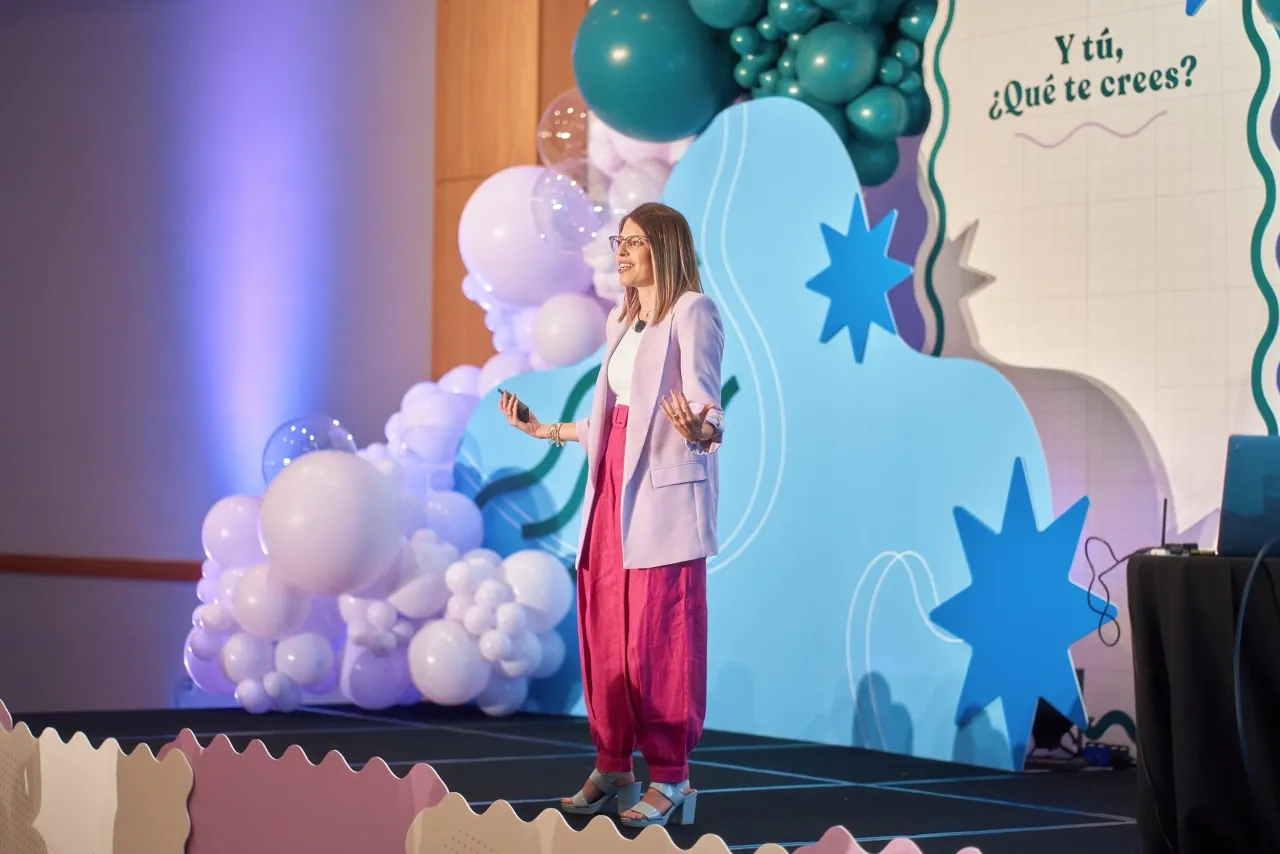
Her Instagram account, @hellofears, has now grown to almost 150,000 followers, where she shares stories, reflections, and prompts to prioritize growth. Michelle has spoken in front of tens of thousands: students, corporate teams, and conference audiences across the globe at organizations including Google, Netflix, Microsoft, Toyota, Wells Fargo, and TEDx events.
Hello Fear
As an immigrant Latina woman without extraordinary credentials, she emphasizes that anyone can start small. Her upbringing in Caracas, influenced by cultural expectations around marriage and family, contributed to some of her initial limits. She married young out of love, then focused on building a future without those imposed ceilings, setting an example for others defying similar constraints.
In 2020, when the pandemic forced a halt to in-person events, Michelle adapted quickly. After allowing herself a short grieving period to process the disruption, she set short-term goals. She hosted paid virtual talks for her community, drawing hundreds of participants in English and Spanish. This approach helped her maintain momentum andincome while broadening access to her talks.
Hello Fear
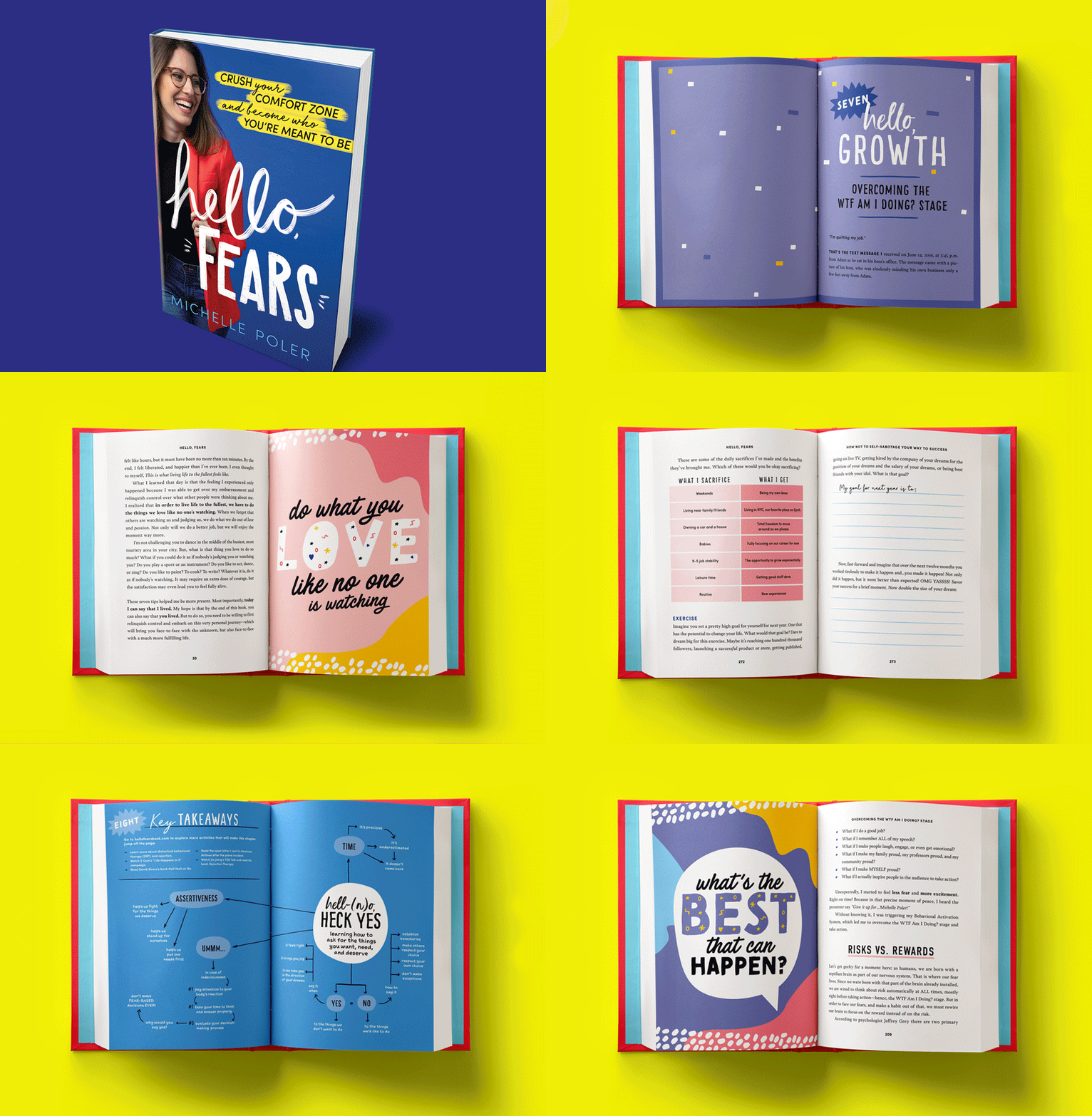
Also in 2020, Michelle's book, Hello, Fears: Crush Your Comfort Zone and Become Who You're Meant to Be, expands on her message, combining her personal anecdotes with practical guidance to evaluate fears based on potential rewards and authentic intention. Growth-oriented challenges, she argues, foster fulfillment far more than those driven by external validation.
Over a decade later, Michelle continues working as a keynote speaker, author, and branding strategist, continuing to deliver talks on topics like "Fear Less, Do More" and embracing uniqueness in an AI-influenced world. Her work emphasizes small, consistent choices: name the fear, assess its worth, and act when it aligns with personal growth. She invites people to view fear as a signal worth examining rather than as a barrier. In documenting her process openly, she invites others to experiment similarly, starting wherever they stand. The question she now asks audiences remains simple yet powerful: What's the best that can happen?