Natalie Lau: Chicken Egg Boy and the Art of Keeping Heritage Alive

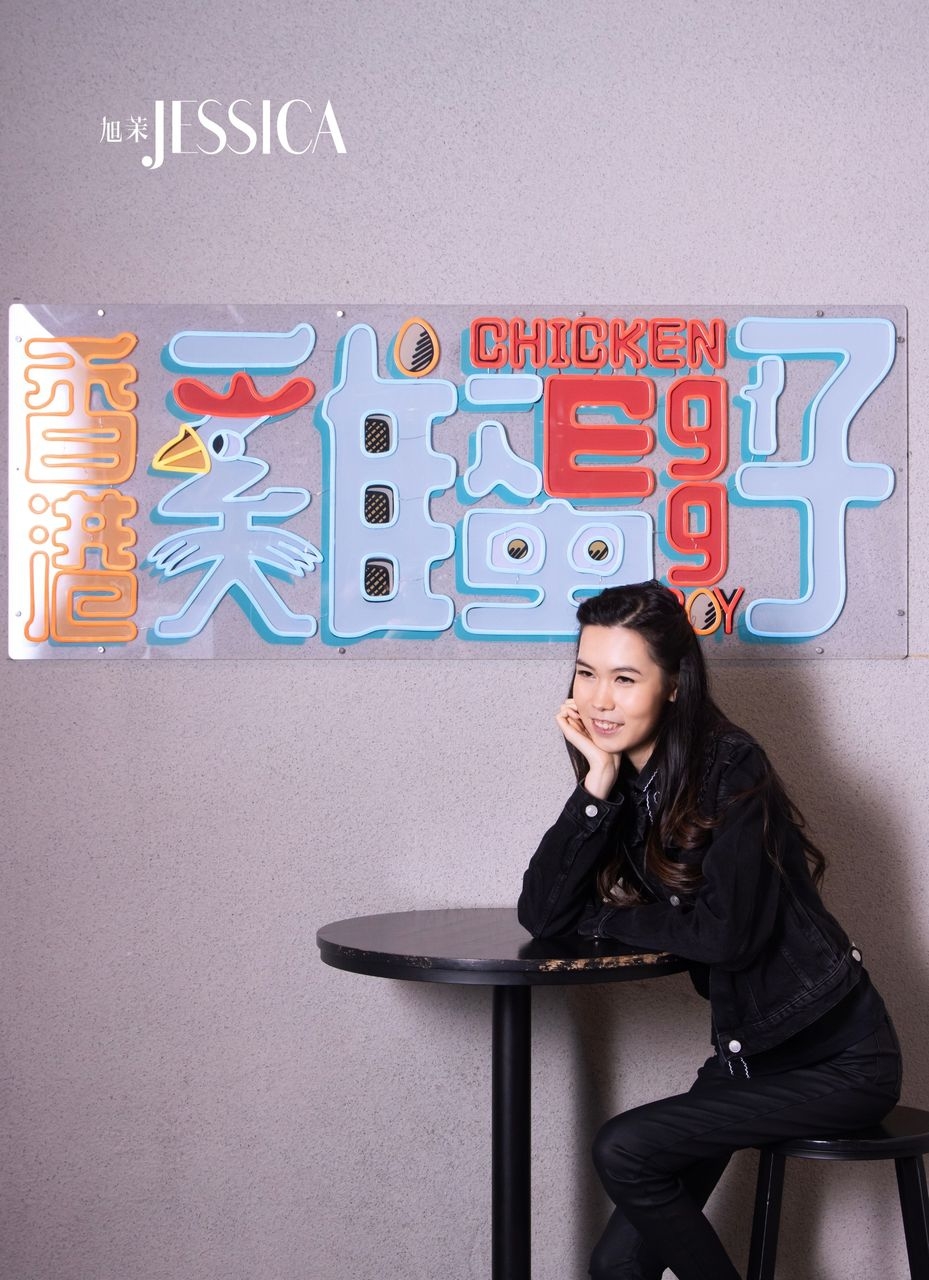
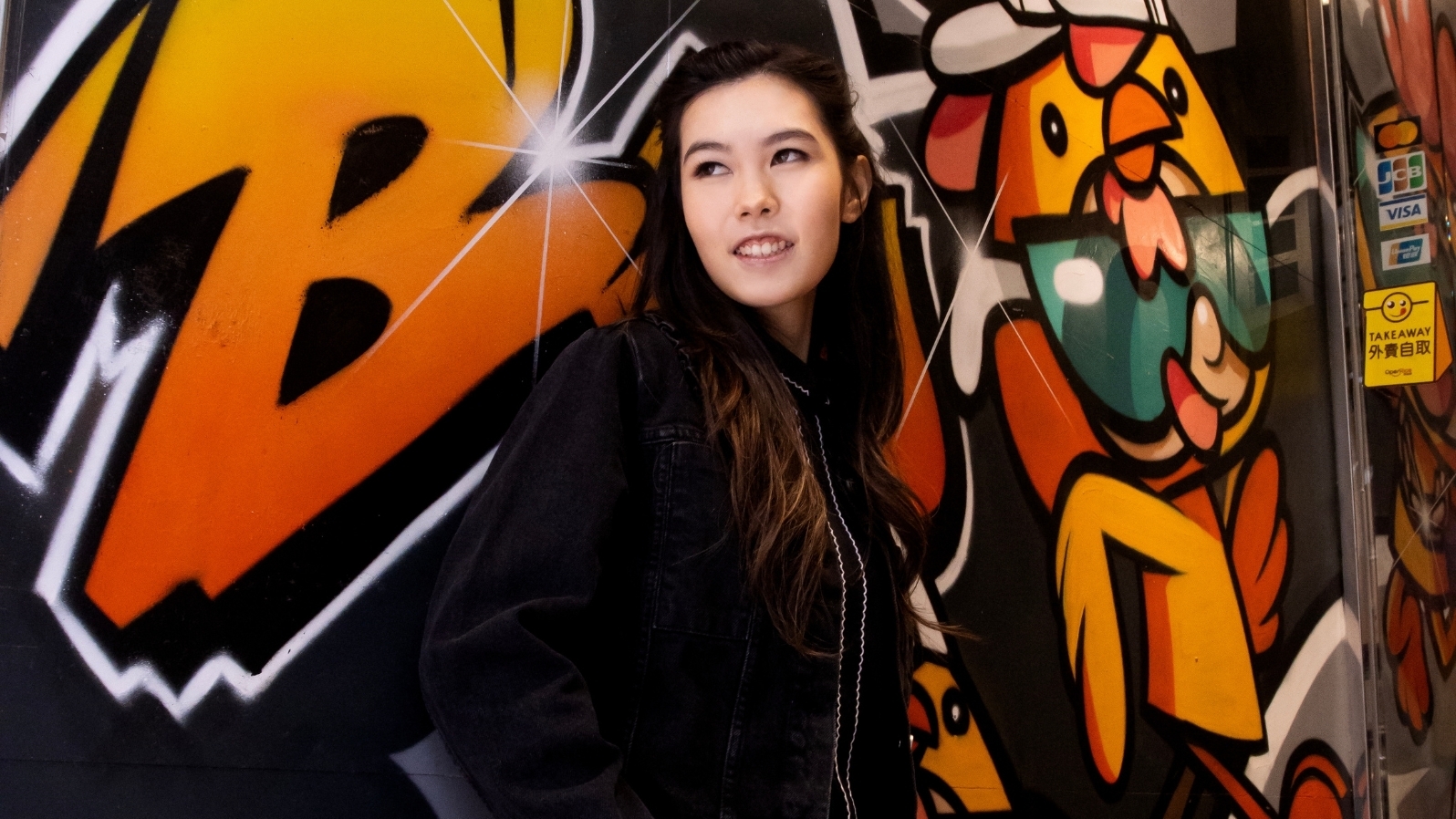
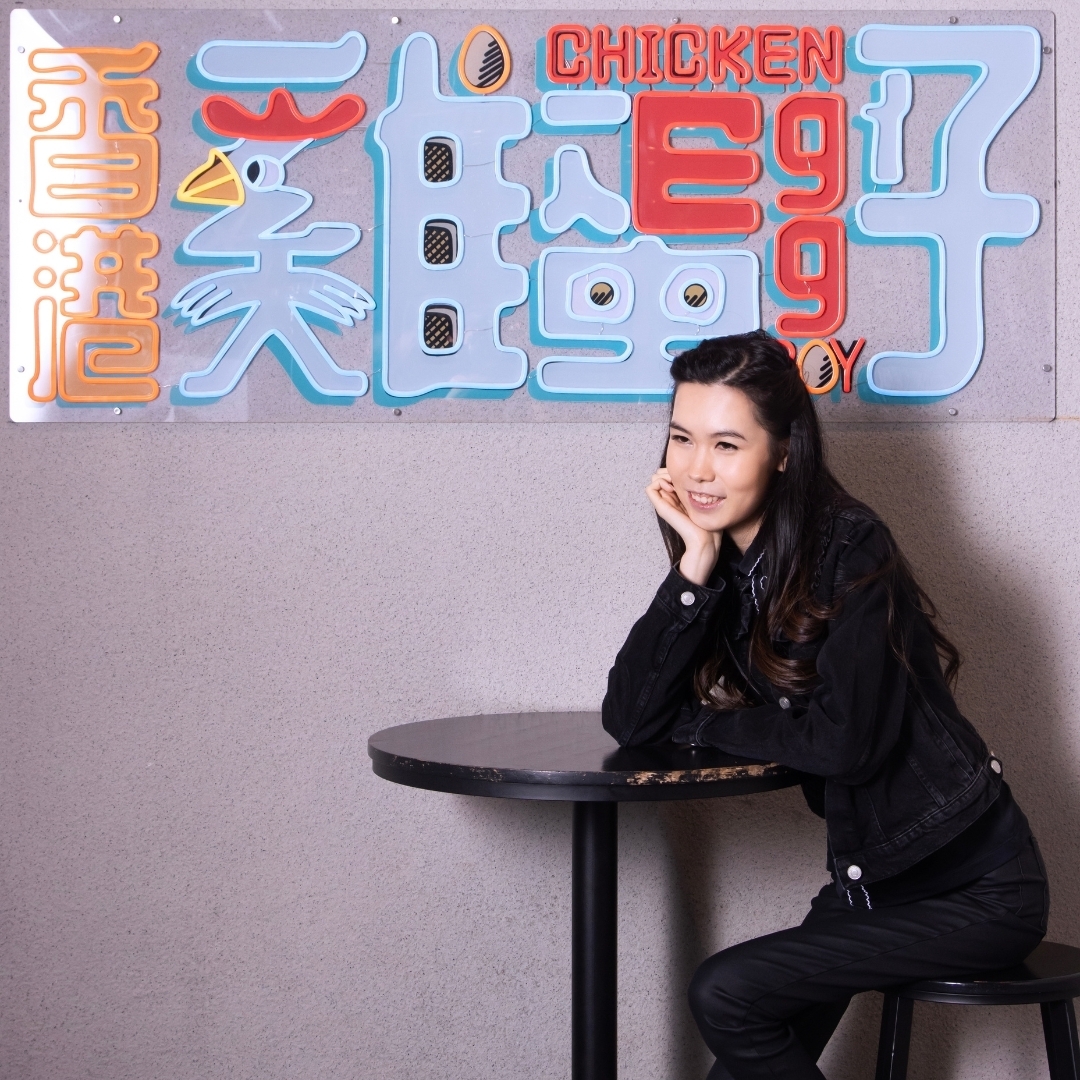
Natalie Lau never set out to run a café. Yet on any given afternoon, the line outside Chicken Egg Boy stretches down the block: a mix of Instagram-scrolling teenagers, office workers on their lunch break, and grandparents who remember the original pineapple buns from their own childhoods.
For Natalie, the real story is not the waffle itself, but what happens when people eat it. "A pineapple bun is not just food, it's a memory," she explains. "A waffle isn't just a snack, it's a moment shared between friends, between generations." That belief shapes everything she does at Chicken Egg Boy, a café launched under the Xu Shan Charitable Foundation. Every sale, event, and collaboration funnels back into preserving Hong Kong's intangible cultural heritage while supporting the underprivileged.
The Power of Heritage
Natalie grew up with a deep appreciation for intangible cultural heritage (ICH), largely thanks to her mother's influence. What she loves most about Hong Kong is its people. "I like the dynamic of the people. We work hard, but we also play hard." That energy is exactly what she hopes the next generation will inherit.
Chicken Egg Boy turns that belief into practice. Recently, the team ran an egg-waffle workshop for children from underprivileged backgrounds. They didn't just teach the recipe. "We were trying to bring ICH to the next generation – not just teaching them how to make an egg waffle, but also why it matters, where it came from, and who made it before us," she explains. "We got to see them enjoy a really fun day."
A few weeks earlier, they hosted a movie night for more than 100 residents from subdivided flats. Louis Koo's latest film played on the big screen while Chicken Egg Boy merch and coupons for waffles and milk tea were handed out. The actor even dropped by to say hello. For Natalie, these gatherings are about something simple: turning strangers into neighbours through food and conversation. "The end goal, at the end of the day, is connection."
"The end goal, at the end of the day, is connection."
Cross-Generational Connection
The same spirit drives her collaborations. Last year, Natalie worked with design legend Alan Chan and even attended his 76th birthday party. "Here we are, two completely different generations and connected by this shared love for the city's culture," she reflects. She also brought the café's street-food energy into private members club Carlyle & Co., where she hosted workshops, appeared at the New Year's Eve party, and took part in an International Women's Day portrait session.
That unexpected chemistry is exactly what Natalie means when she talks about connection. "It means connection across industries, backgrounds, stages, nationalities – connection between people who would normally never meet," she explains. "It's also the connection between different roles, creating moments where someone looks around and thinks, 'I didn't expect to be here with these people, and yet somehow here we are,' and it all works." The daily queue at Chicken Egg Boy proves it. "The queue outside Chicken Egg Boy isn't just one type of person – it's international travelers, locals, teenagers from Instagram... all sorts."
Leading With Heart
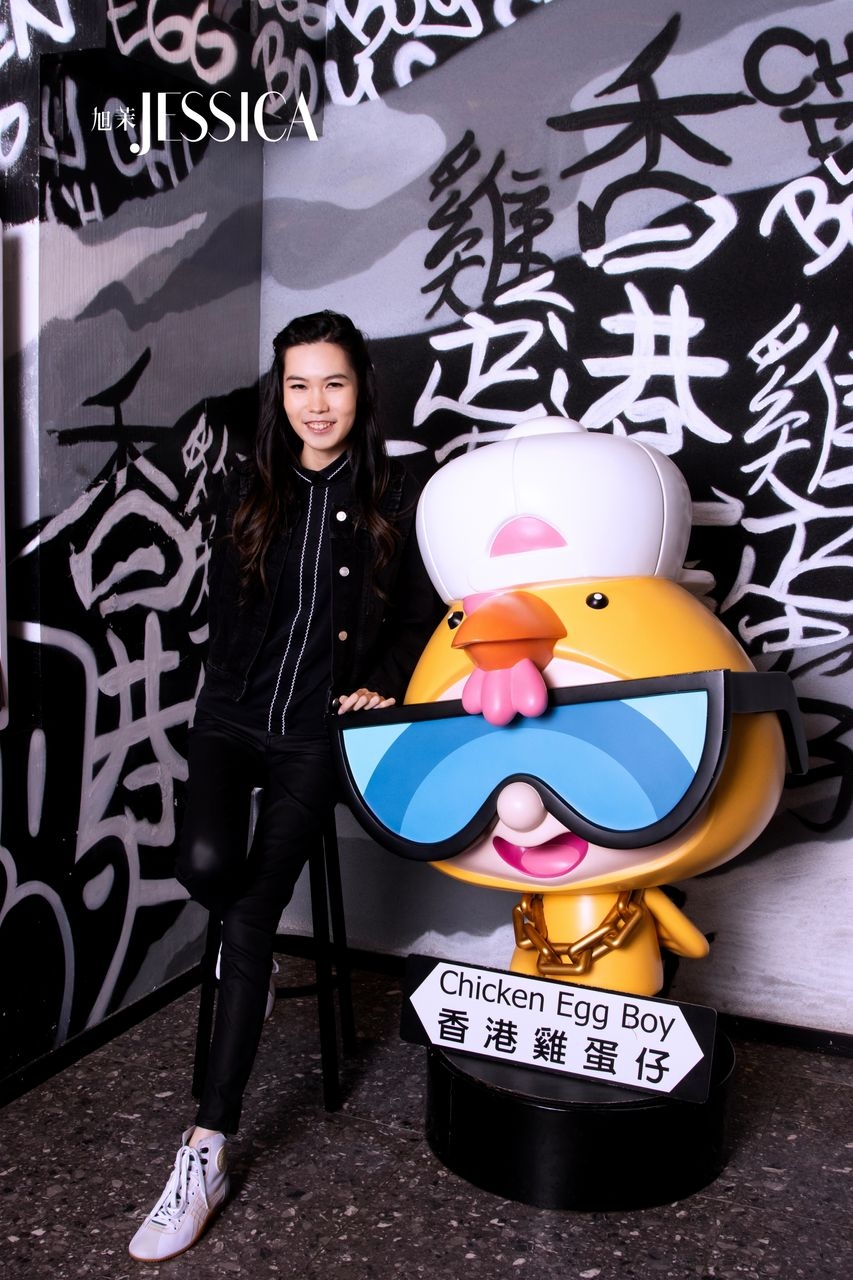
Running the café has forced her to grow up fast. At 21, she leads a team that is mostly in their mid-twenties, many with no previous F&B experience. The industry is physically demanding, long hours, labor-intensive, and full of last-minute crises, yet she has learned to put people first. "The human element to me comes first; I want my team to understand that Chicken Egg Boy is the result of everyone's efforts, not mine alone. When we succeed, everyone should feel proud," she explains. She acknowledges the difficulties of being a young leader: "At the same time, of course, you have to be firm and make tough decisions," she explains. "It's about the right balance between being tough and being soft."
She has also shifted the way she thinks about resilience. Earlier in her journey, she relied on sheer personal grit. She has since learned to lean on collective strength: "I've realized that what's actually most sustainable, and what's the most important, is the people you have around you, because I've been able to see it and live it." Her support system includes family, friends, her team, and a wide circle of mentors she has met through collaborations. When she feels out of place in rooms full of industry veterans, she reminds herself of what's important. "I focus on why I'm there, the things that I want to say and the things that I want to do there."
Redefining Success
Success, she has come to understand, looks different for everyone. "Success comes in many different paths… building a life that's right for you, rather than one that may seem conventional." Her parents taught her that lesson early. "They've always encouraged me to adapt to those circumstances as best they can, rather than continue to hold on to an idea of what should have been." When life threw her a medical deferral from university and the challenges that followed, they helped her see opportunity instead of setback. "If life doesn't go the way you expect, try not to hold on to what should have been; instead, adapt to it and think about what the best thing is to do right now for your circumstances," she notes. "You never know – sometimes it might be a blessing in disguise."
She still makes room for the things that bring personal fulfilment. Art has always been part of her world, and recently, she has turned to photography. On her phone, she has an album of license plates that catch her eye: "It's just something I enjoy; it's just the way I view the world." In a schedule packed with booths at Clockenflap, Live Nation events, and workshops at the Hong Kong Jockey Club, those small moments help keep her grounded.
Looking ahead, Natalie is focused on building something sustainable rather than chasing the next viral moment. She chooses collaborations and projects carefully, always asking whether they reinforce the café's core values. New menu ideas are in development, though she is keeping the details close for now. What excites her most is the slow, steady work of turning Chicken Egg Boy into a lasting platform for connection. Ultimately, Natalie Lau's vision is simple: She wants people to leave her café feeling a little more rooted, a little more open to the person standing next to them in line, where people slow down long enough to notice one another. And that, more than any single dish, is what she is determined to keep alive.