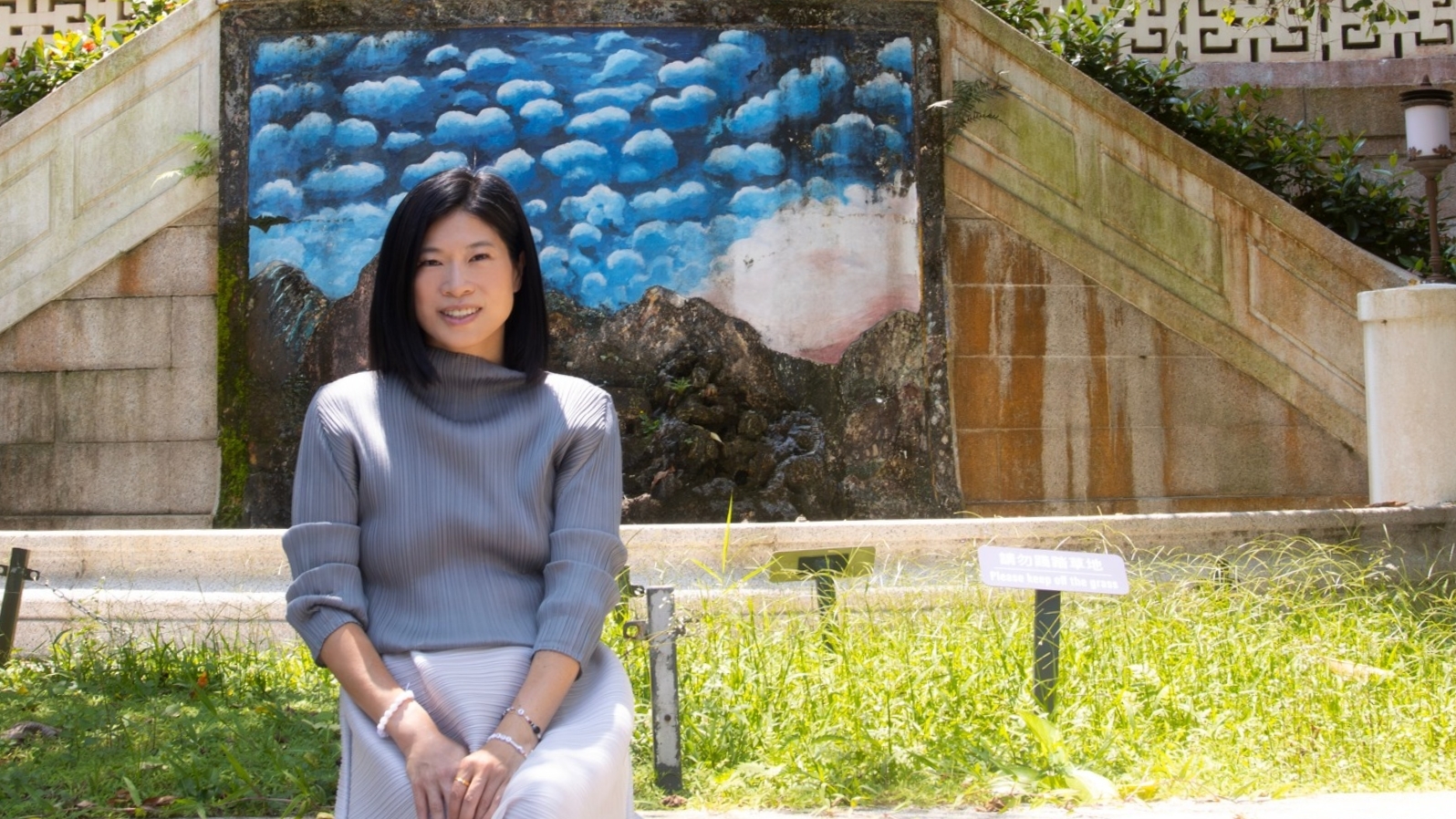
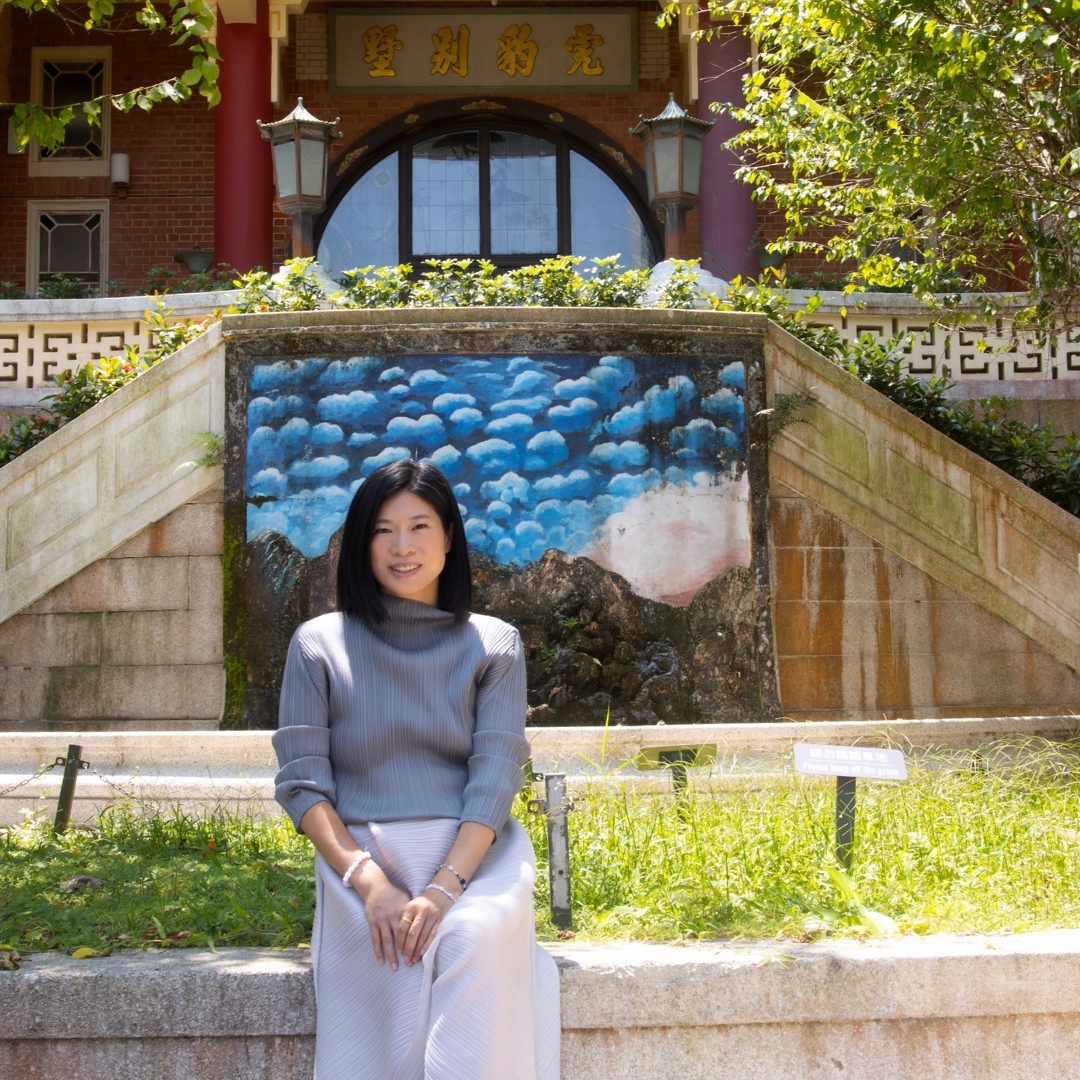
Sara Mao: Sustaining History at Villa Haw Par

On the slopes of Tai Hang Road in Jardine's Lookout sits a 1935 house that most Hong Kong residents know by name, but few have entered in decades. Long before glass towers came to define the skyline of Hong Kong, Haw Par Mansion once embodied personal ambition, Chinese folk storytelling, and a distinct mix of architectural influences.
Today, reimagined as Villa Haw Par, Hong Kong's first cultural villa, the conversation has moved beyond simple preservation. The harder question is how a Grade 1 historic building, run on a non-profit and self-financing basis, stays open and relevant once the initial three-year term ends.
Sara Mao, appointed Executive Director by the Foundation for Art and Culture, frames the task in practical terms. The goal is not just to keep the walls standing. "The objective is not purely for antiquity or heritage preservation, but to add an extra layer of cultural introduction for the public," she says. "I think that's really important when we talk about the sustainability of the site, and the continuity of a project that can add to the cultural fabric of Hong Kong."
That continuity starts with the existing stories rather than overwriting them. Local people carry different memories of the place: the gardens, Tiger Balm, the family itself. Sara is clear that the project will not invent a new narrative. "We don't want to erase any of that history. We don't want to impose our own narrative. What we want to do is to take that narrative and to create continuity." Conversations are already under way with people who have worked in the arts and culture sector for decades, and with others connected to the original site, so that the house remains recognizable as itself.
Beyond the Glass Case
For years, many of Hong Kong's heritage projects treated historic buildings as objects to be sealed off: preserved behind glass and largely removed from everyday life. Villa Haw Par takes a different approach. Under a partnership between the Culture, Sports and Tourism Bureau and the Foundation for Art and Culture founded by Arthur de Villepin, the site is being developed as a working cultural institution rather than a static monument.
What drew Sara to the project is precisely this placement under the cultural bureau. The objective goes beyond pure antiquity or heritage preservation. It encourages visitors not just to look at an old building, but to experience what has been created within it. That extra layer of public engagement, she argues, is what will determine the site's ongoing sustainability and contribution to Hong Kong's cultural fabric.
The Financial Engine
Operating a Grade 1 historic site on a non-profit, self-financing basis is demanding. Without a permanent subsidy guaranteeing operations beyond the initial three-year term, financial sustainability is essential to keep the cultural vision alive. Sara is candid about the economic difficulties. Securing the villa's future requires a multi-pronged approach that balances public accessibility with pragmatism: "It's definitely a challenge. We hope that we will be able to attract corporate patrons who really believe in the vision and the space," she explains. The second challenge is to gain public awareness and engagement to draw attention to the space itself.
To maintain this balance, the operating model relies on a mix of corporate partnerships, ticketed public experiences, and targeted private event rentals. By renting out portions of the house for private functions during specific windows, the institution can generate income to support its wider non-profit educational and cultural programming. The aim is to sustain its operations without compromising its core mission of public engagement.
A Phased Rollout
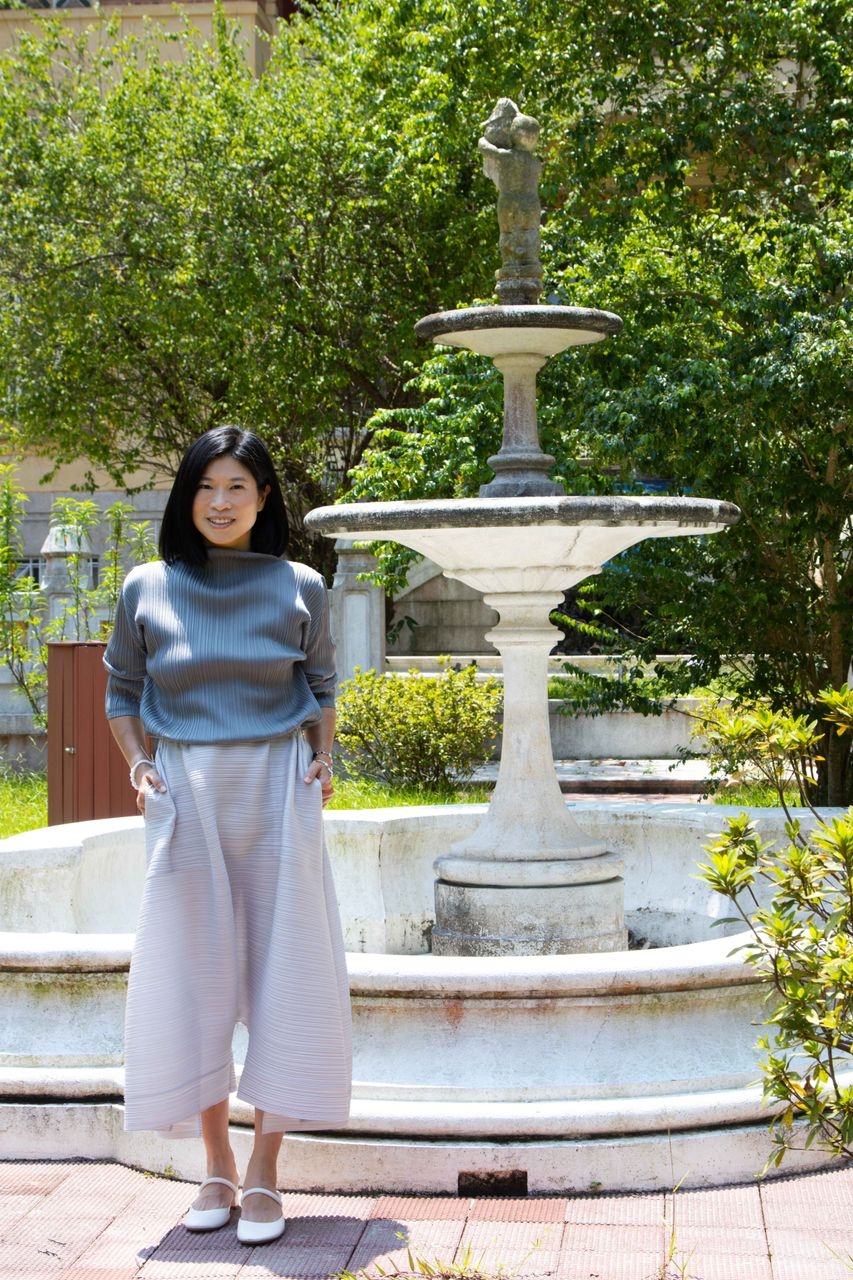
In the world of cultural institutions, early overpromise can spell operational disaster. Villa Haw Par's leadership has adopted a pragmatic, phased roadmap leading up to its progressive openings starting in late 2026. The first focus is the ground floor and the planned "Garden of Wonders," where historic sculptures will sit alongside contemporary works in a landscape that nods to the origins of Tiger Balm.
The phased approach is an exercise in resource management and risk mitigation that lets the team test visitor flow, observe how different demographics use the spaces, and see where wear and tear actually occurs before committing resources to the upper floors. It also creates reasons for people to return as new areas come online.
Honoring Multicultural Roots
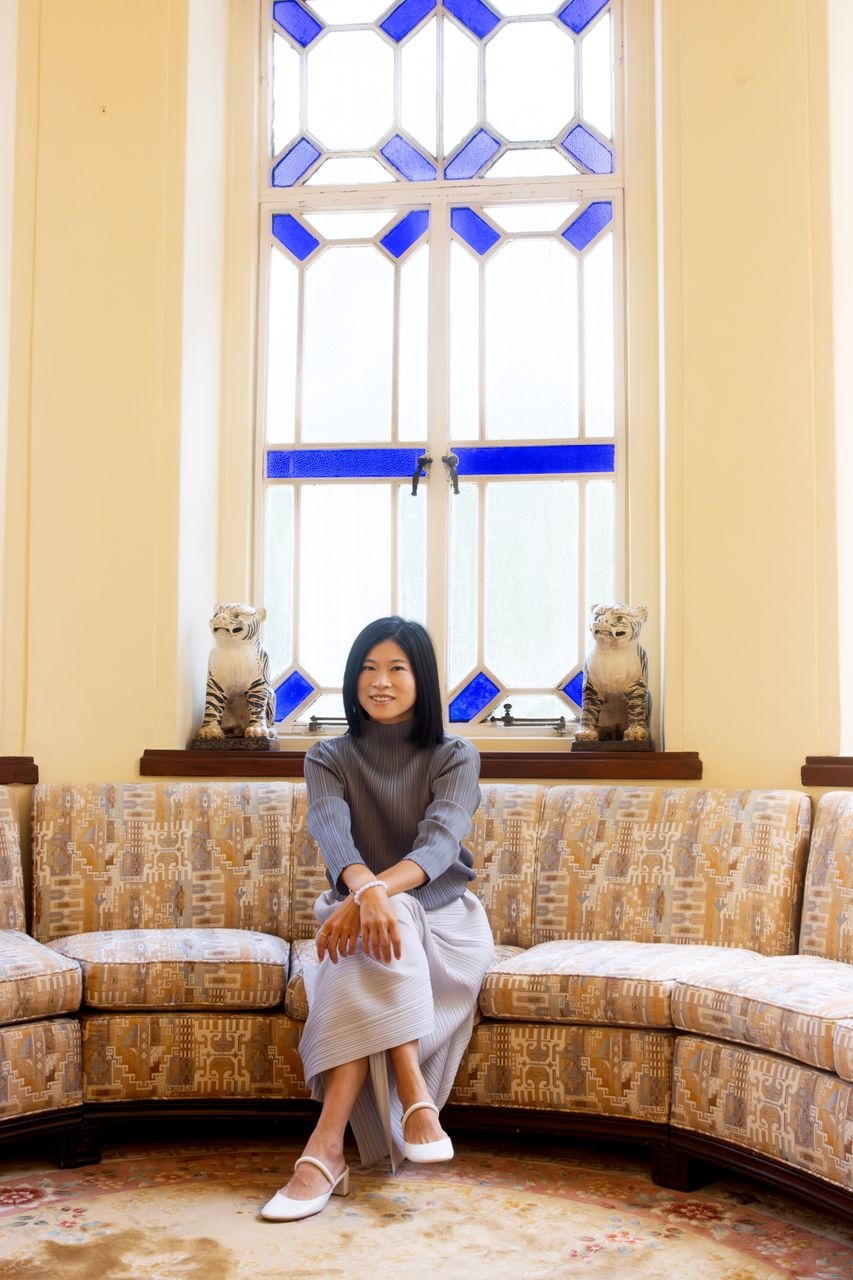
Built in 1935, Villa Haw Par's architecture naturally supports sustainability through adaptive reuse. The mansion already blends multiple cultures, featuring Southeast Asian marble Buddhist sculptures, regional shipyard timber, and Italian light fixtures. The estate's history, mirrored by the journey of Tiger Balm from Burma to Hong Kong, reflects the deep-rooted multiculturalism and openness that the project aims to emphasize.
This cultural sustainability ensures that the site honors its roots while introducing contemporary art and design alongside the 1930s fabric. Rather than remaining a frozen museum piece, the villa stays intellectually and aesthetically relevant to modern audiences.
Global Dialogues
True cultural sustainability also relies on external networks and continuous exchange. Villa Haw Par has established a long-term cooperation framework with the Consulate General of France in Hong Kong and Macao, aligning itself with international networks like Villa Medici in Rome or Villa Kujoyama in Kyoto. These partnerships extend the villa's reach into film, literature, and residency programs. By aligning programming with major local fixtures like Hong Kong Arts Month, Design Week, and the Hong Kong Arts Festival, the villa acts as a flexible satellite space rather than a standalone destination. Locally, the same approach applies: engaging schools, charities, and district partners first before widening public access.
A Permanent Legacy
For Sara, success is not measured purely in headline visitor numbers or fundraising totals, but in how deeply the institution embeds itself into the daily consciousness of the city. "I hope that it becomes second nature to think about coming here to visit, that it becomes just part of the fabric of the cultural ecosystem here," she says.
She is equally realistic about her own role. Fundraising and operational work take energy that could otherwise go entirely into programming. "Sustainability means that I need to spend my energy making sure that different aspects of the project get my attention," she says. "It may not be the most glorious kind of takeaway, but perhaps what I'm proud of is that we find someone to fund the project, and we get continuity from the government for ten years. That might actually be a bigger sense of achievement for me."
The villa is still in the early stages of physical work and public testing. The first programmes will show whether the mix of heritage, new art, controlled access and steady income can hold. Sara's approach is deliberately measured: start small, watch how people use the spaces, adjust, keep the existing narratives intact, and make the numbers work. If that discipline holds, the house that has already lasted ninety years may last many more as a working part of Hong Kong's cultural life rather than a preserved relic.