

Liona Poon: Turning Prediction into Protection

Every year, preeclampsia claims tens of thousands of mothers and babies worldwide, yet many cases can be predicted and prevented before symptoms even appear. For two decades, Professor Liona Poon has been turning that knowledge into reality, simply refusing to accept that "there's nothing we can do."
Writing Her Future
It started when she was just 14. After watching a family member suffer through illness, Liona decided medicine was her future, writing her father a letter requesting to be sent to the UK for better schooling. Her mother, sensing her daughter's drive, gently steered her toward obstetrics and gynaecology. "If you want to be a doctor," her mother said, "this is a way to really advocate for women." In the early 1990s, terms like feminism were not yet commonplace, but the sentiment was clear: women's health deserved a fierce advocate.
She left Hong Kong, finished secondary school in the UK, and earned her MBBS from Guy's, King's and St Thomas' School of Medicine in 2002. During her obstetrics and gynaecology training in London, she made a bold move. Straight after her second year, she knocked on the door of Professor Kypros Nicolaides at King's College Hospital. Nicolaides, a leading figure in fetal medicine, took her under his wing through a Fetal Medicine Foundation fellowship. Initially drawn to ultrasound for the joy of scanning healthy pregnancies, she soon focused on complex cases involving abnormalities and complications. "I went from wishing to bring joy to prospective parents to focusing on helping difficult situations," she explained.
Pivoting to Preeclampsia
Preeclampsia became her focus after Liona saw how devastating it could be and how little doctors could do once it appeared. At the time, care was mostly reactive: monitor, manage symptoms, deliver if necessary. But Liona saw patterns in first-trimester markers and was driven to shift her focus from reaction to prevention. Under Nicolaides' guidance, she built a first-trimester prediction model using maternal factors, blood pressure, uterine artery Doppler, and biomarkers. The work led to the landmark ASPRE trial, which she co-led. The results, published in the New England Journal of Medicine, showed that 150 mg of aspirin daily from 11–14 weeks reduced preterm preeclampsia by 62% in high-risk women. "When the results showed that early aspirin could significantly reduce preterm preeclampsia, it validated years of effort," Liona says. "It demonstrated the power of rigorous science and collaboration to transform pregnancy care."
Evidence into Action
Returning to Hong Kong in 2016 as Associate Professor at The Chinese University of Hong Kong's Department of Obstetrics and Gynaecology, Liona worked to translate the research into real change. Promoted to full Professor (Clinical) in 2018, she later chaired the department. Her team's work in Asia confirmed the benefits, and the Hospital Authority adopted first-trimester screen-and-prevent protocols across public hospitals. Thousands of women now benefit from early risk assessment and targeted aspirin.
Liona's impact extends beyond academia. In 2024, she founded PregnaSense Co. Limited to bring biomarker tools into clinical use. She also holds visiting professorships at King's College London (since 2018), School of Obstetrics and Gynecology, School of Medicine, Zhejiang University, Beijing Anzhen Hospital, Capital Medical University, Xinhua Hospital Affiliated to Shanghai Jiaotong University School of Medicine, and Sun Yat-sen University. As President-Elect of the International Society of Ultrasound in Obstetrics and Gynaecology (ISUOG), she influences global standards for ultrasound in pregnancy care. The latest chapter is her Croucher Senior Medical Research Fellowship 2026, which supports multi-omic research to improve prediction and understand why some women do not respond to aspirin.
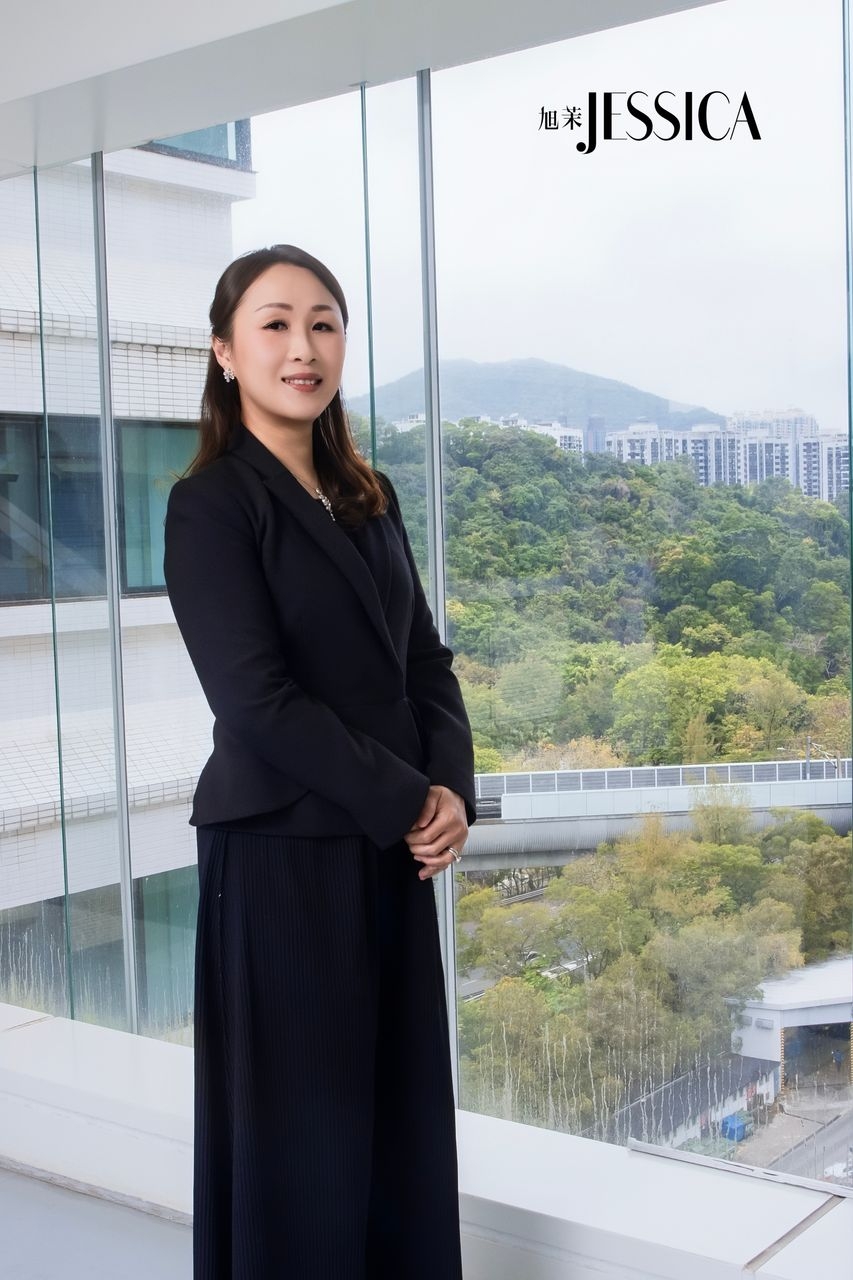
Juggling these demands is no small feat. She prefers "work-life integration" over balance. "Juggling multiple roles is certainly demanding, but for me, everything is centerd around a single purpose: improving obstetric care and women's health globally," she explained. "When your work is purpose-led, the roles don't feel competing; they become complementary parts of a larger effort."
A supportive husband, reliable teams at the Chinese University of Hong Kong, and boundaries (no calls after 11 p.m.) help. She is candid about burnout: "I go through near burnout regularly," she admits. She has since learned to recognize red flags and drop tasks that no longer serve the mission. "Giving up is not a failure," she said. "It's a very powerful move, because you need to recognize your limitations."
"Giving up is not a failure. It's a very powerful move, because you need to recognize your limitations."
Breaking Barriers
As a woman leading in a field centered on women's health, she has faced familiar barriers. Determination and decisiveness get called aggression. "Women who push boundaries or articulate a clear vision can be judged differently from their male counterparts," she says. She has also seen too few women at senior decision-making tables and navigates this by staying anchored in purpose and actively mentoring others. "Every obstacle has strengthened my resolve to challenge outdated norms and champion a more inclusive, equitable future for our field."
She confronts cultural myths head-on. In many Asian contexts, low birth rates heighten anxiety. Many women, especially in the first trimester, avoid all exercise out of fear of miscarriage. But she points out the downside: pregnancy increases the heart's workload by 50%, and sudden inactivity causes rapid muscle loss, back pain, and extra strain. She urges gradual change: "This concept worked 100 years ago when people were more active," she explains. "Now, with sedentary jobs, adding more inactivity harms mother and baby."
Mentoring drives her forward. To aspiring female doctors and researchers, she offers straightforward advice: "Be curious, be courageous, and stay anchored in purpose." She encourages her students to be "nosy" with patients, to speak up even when it feels uncomfortable, and to challenge authority, including hers, encouraging critical thinking and independent judgment: no robotic protocols, but individualized plans based on evidence. "Research is at the core of clinical medicine," she insists. "Don't treat it as homework for exams; pursue it to genuinely improve care."
The Meaning of Success
For Liona, being successful is not the endgame, but rather a source of motivation to seek new challenges. She measures it in real impact, when research changes policy and protects mothers and babies at scale. Looking ahead, she wants obstetric care to become truly preventive rather than reactive. She's eyeing preterm birth prediction next: preventing deliveries before 34 weeks, where outcomes suffer most, alongside fetal growth restriction and stillbirth. Building networks in the Asia-Pacific is key: over half the world's births occur here, yet guidelines often borrow from Western data. She wants region-specific evidence driving local standards.
Thirty years after that letter to her dad, Liona Poon is still the same person who knocks on doors, demands better evidence, and won't accept "that's just how it is." To those around her, she's successful. Liona herself would say she's useful. And as long as there are pregnancies that could be safer, she'll keep showing up, data in one hand, purpose in the other, until the numbers finally catch up to what she's known since she was 14: we can do this better.