
Debra Meiburg MW Uncorks 2026: Luxury or Artisan, Which Wine Trend Will Reign?
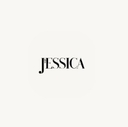
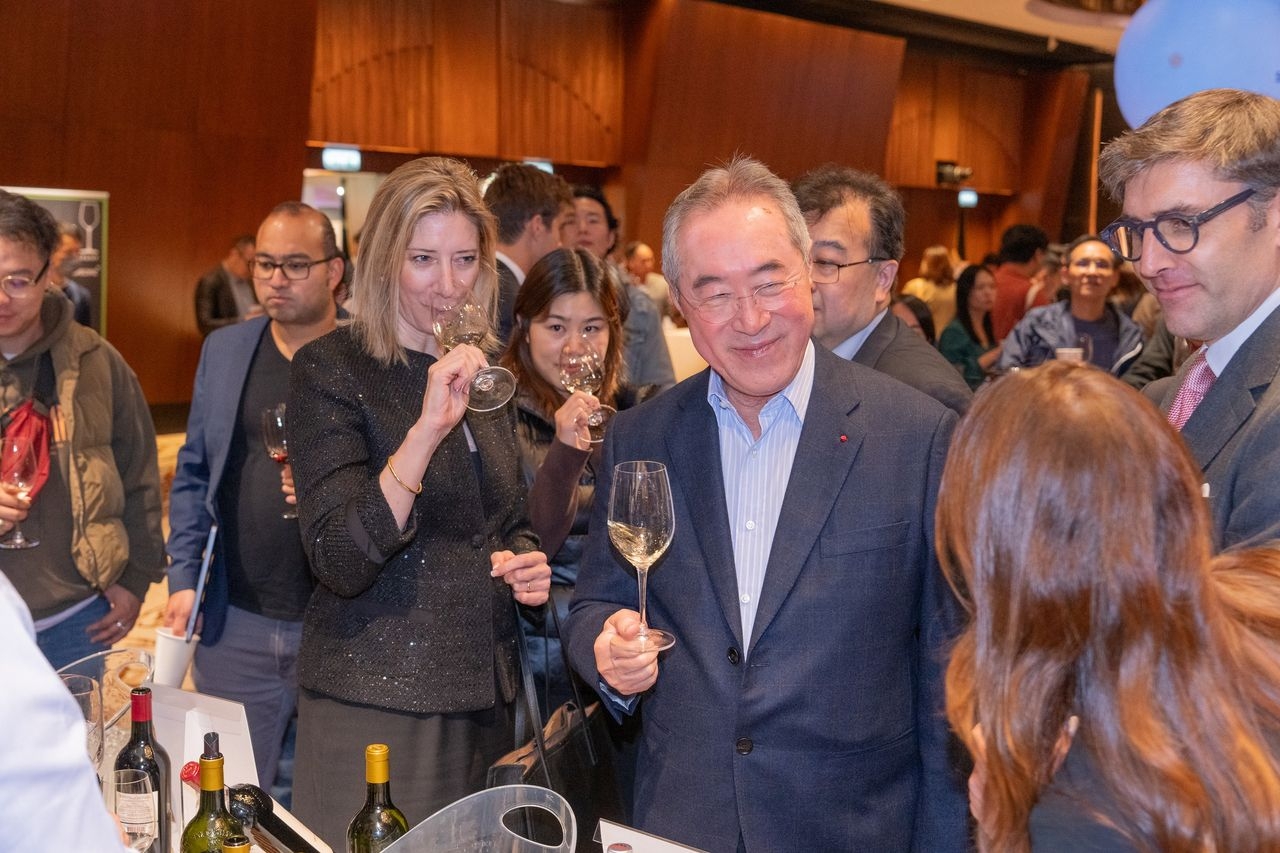
On a crisp day last month, two distinct visions for Hong Kong's wine future were showcased along the waterfront. At the Regent Hotel in Tsim Sha Tsui, the Grands Crus de Bordeaux unveiled its 2022 En Primeur for high-end connoisseurs, while across the Victoria Harbour at Central Pier 8, the Biodyna Artisan Wine Festival attracted a younger, wellness-oriented crowd with its innovative, sustainable offerings from organic producers who celebrated their passion. Hong Kong's diners find themselves caught between these two competing wine styles, and the city's chefs and sommeliers are closely monitoring.
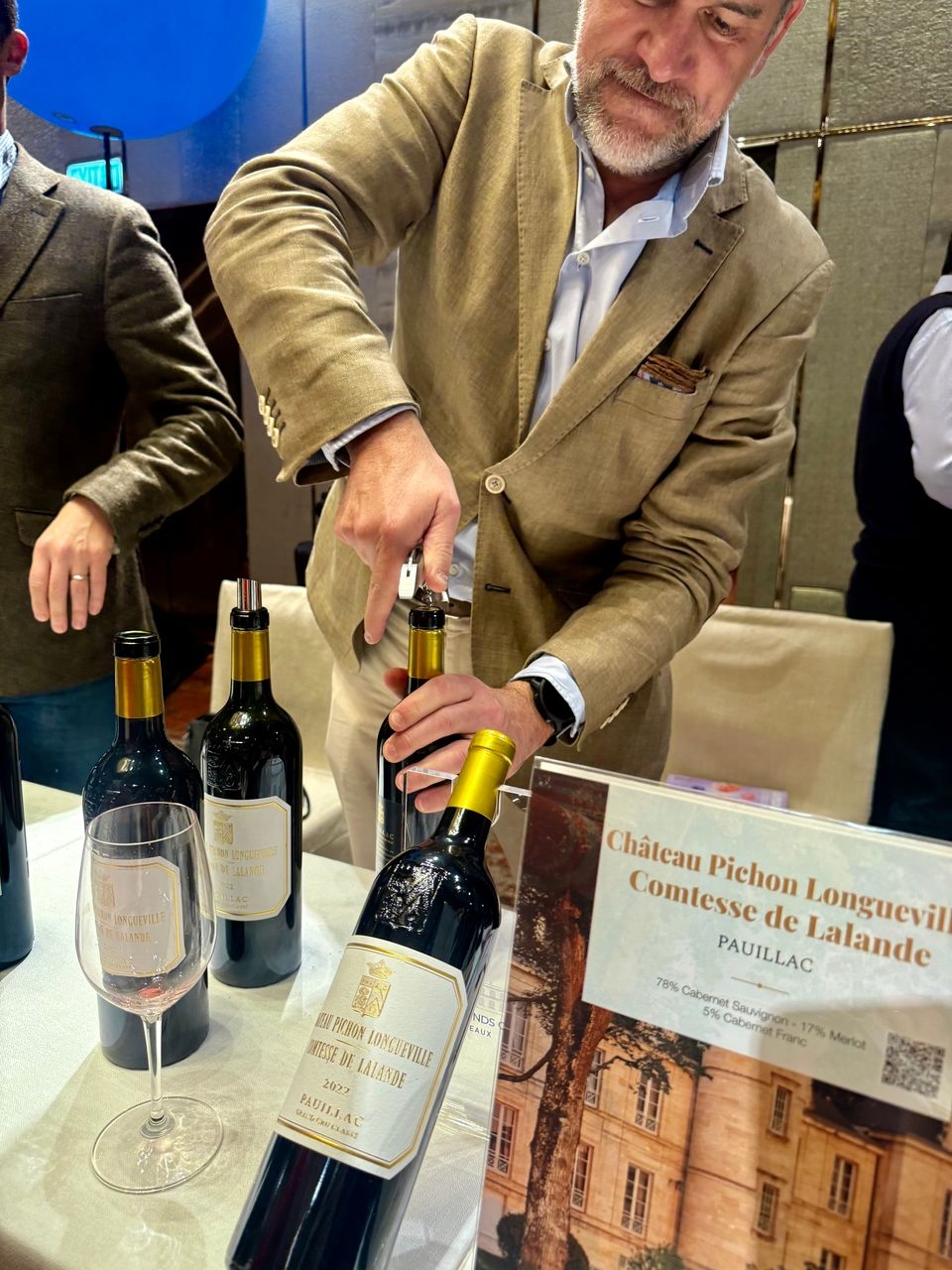
The Bordeaux En Primeur (meaning buying wine before it is bottled and released) tasting was exclusive to industry professionals, including experienced collectors, formal merchants, and bankers, who assessed the wines based on their "structure," "aging potential," and "investment-worthy scores." Whispering in the clink of Riedel glasses, many expressed optimism that the 2022 Bordeaux vintage would herald a remarkable future. For generations, Bordeaux wines have remained the ultimate currency of prestige, much like blue-chip securities. The En Primeur system and the classification of 1855 stand as the bedrock of the global wine economy.
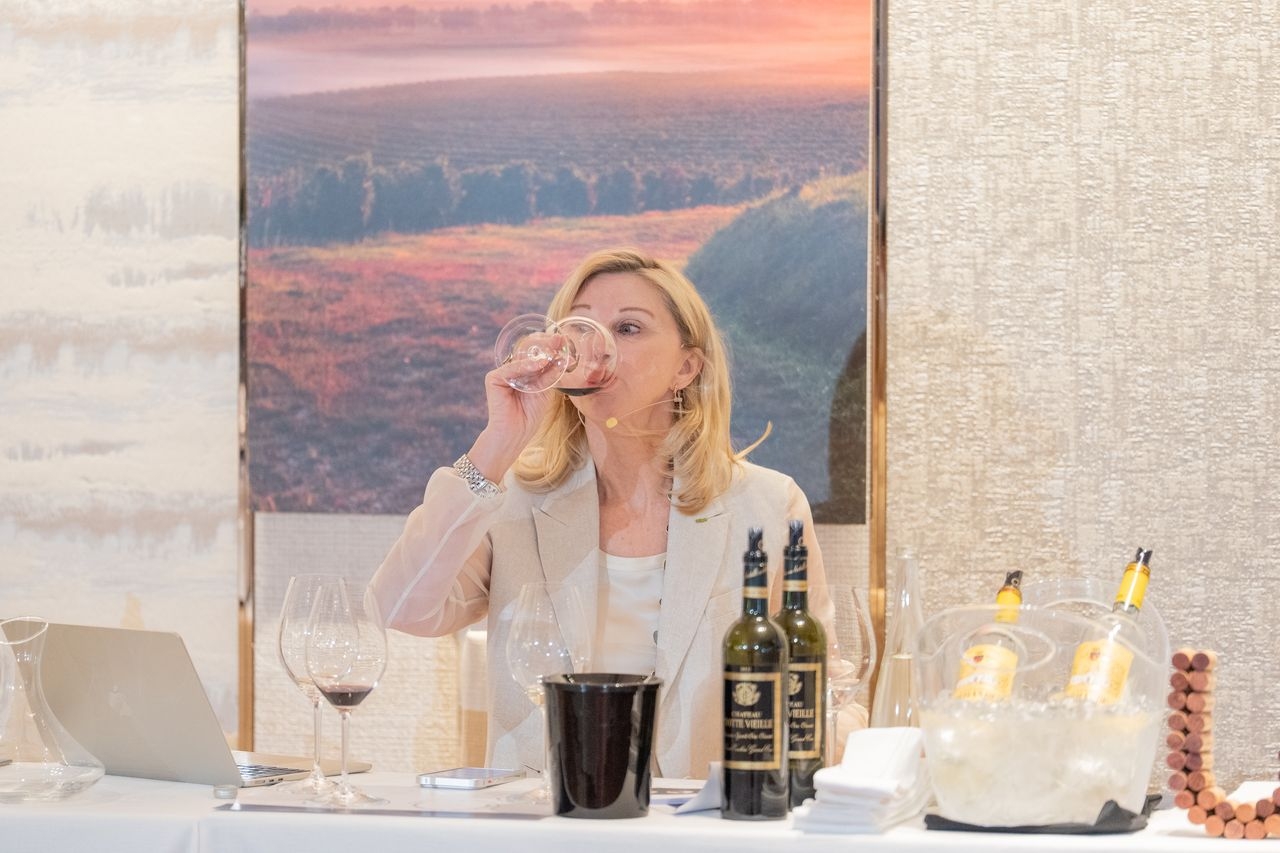
In an exclusive interview, Master of Wine Debra Meiburg said 2022 was an excellent vintage for Bordeaux thanks to the warm weather. "It seems that the vines are starting to cope better with heat stress despite experiencing a lot of drought. Additionally, the wine acidity levels appear to be more pronounced than before."
However, some local wine importers who faced financial challenges during the pandemic are becoming increasingly hesitant to invest significant capital in Bordeaux's futures due to volatile market conditions. Tommy Wu, the founder of MyiCellar and a veteran in the wine industry with over 10 years of experience, stated that he will not invest in any En Primeur. He remarked, "I don't know how to taste the future because it's unpredictable!"
He also pointed out that the return rates in recent years have been poor, and he sees no signs of improvement given the current supply and demand for wines. "We are a company that seeks quality and boutique wineries and helps them to increase their presence locally," he added.
While chatting with Wu at the crowded Biodyna Festival, Emmanuel Briat, the festival's host and founder of Oz Terroirs, shared his dedication to investing in organic, biodynamic, and natural wine practices, all while safeguarding biodiversity to ensure a healthier planet for generations to come. As we spoke, the winemakers from around the world at the Biodyna Festival were enthusiastically pouring a selection of vibrant pét-nats and skin-contact wines, all created without chemicals in the vineyard or manipulation in the cellar, celebrating authenticity and craftsmanship. What we're witnessing at this festival extends beyond a simple wine trend; it represents a shift in lifestyle.

"Biodyna Festival does not focus solely on natural wine," Briat clarified. "We emphasize wine that is sustainably produced through natural practices (organic, biodynamic, etc), without chemicals in the vineyard or during the winemaking process." He added that, somehow, it's good that people misunderstood and didn't realise they were tasting not only natural wine but also couldn't tell the difference. "That's our goal! Even though I insist that apart from the level of sulfite in the wines, they were all made like natural wines," he claimed.
According to Meiburg, the majority of Hong Kong wine drinkers are not well-educated about natural, artisanal, or skin-contact wines, while advocacy remains niche. Even within the wine industry, there is a lack of consensus and understanding regarding these categories.
"The category 'natural wine' is seen as controversial, as most wines are made naturally; the term can be misleading and divisive," Meiburg explained. "Skin-contact whites (orange/amber wines) are gaining ground, with historical precedents in countries like Georgia and Italy that never abandoned the style."
Although the Bordeaux section remains the heart of the wine list at fine-dining restaurants catering to business clientele, a new section for "Artisan & Natural Discoveries" is increasingly common. The real transformation is happening in the city's thriving ecosystem of Michelin-star restaurants, neo-bistros, and chef-owned eateries. Restaurants like L'Atelier de Joël Robuchon, Caprice, and Petrus have built their identities around this evolving landscape. Their menus are engineered to highlight the lively acidity and textural complexity of artisan wines.
Wu has embarked on a journey into the world of artisan wines to boost sales revenue. "Artisan wine is one of the directions we're exploring," he explained. "I think people are moving beyond brands like Louis Vuitton and Chanel, in search of products that resonate with the stories of the winemakers."

Meiburg echoed Wu's sentiments, stating, "Health-conscious millennials and Gen Z are more focused on uniqueness, stories, and authenticity, rather than traditional rankings and scores." However, she also asserted that Bordeaux would maintain its strong reputation without marketing support, remarking, "Their reputation is so solid that it will never change in my lifetime, let me put it that way."
With growing interest in artisan wines among younger consumers, Bordeaux is adopting a trend toward site- and parcel-specific wines, such as single-vineyard bottlings, to attract new audiences. The traditional "second wines" of the châteaux are being redefined, as producers aim to highlight the unique characteristics of younger vines or specific plots. This approach elevates their narrative beyond simple categorization. Differentiation and storytelling have become powerful marketing strategies for wineries, setting a new direction for the future of winemaking in Bordeaux.
Since the exemption of the wine duty in February 2008, Hong Kong has developed into one of the world's largest wine markets. Yet, the total wine import market has been in decline since peaking at HK$12.04 billion in 2016, falling to around HK$6.47 billion in 2024. Despite these setbacks, the number of wine-related establishments has increased from 310 in 2008 to 770 in 2024. Event-driven marketing plays a significant role in determining what appears on menus and shelves.
Where To Shop:
Bordeaux En Primeur Wines:
Artisan Wines: