Grace Oh and Sol Menopause: Addressing Asia's Menopause Realities

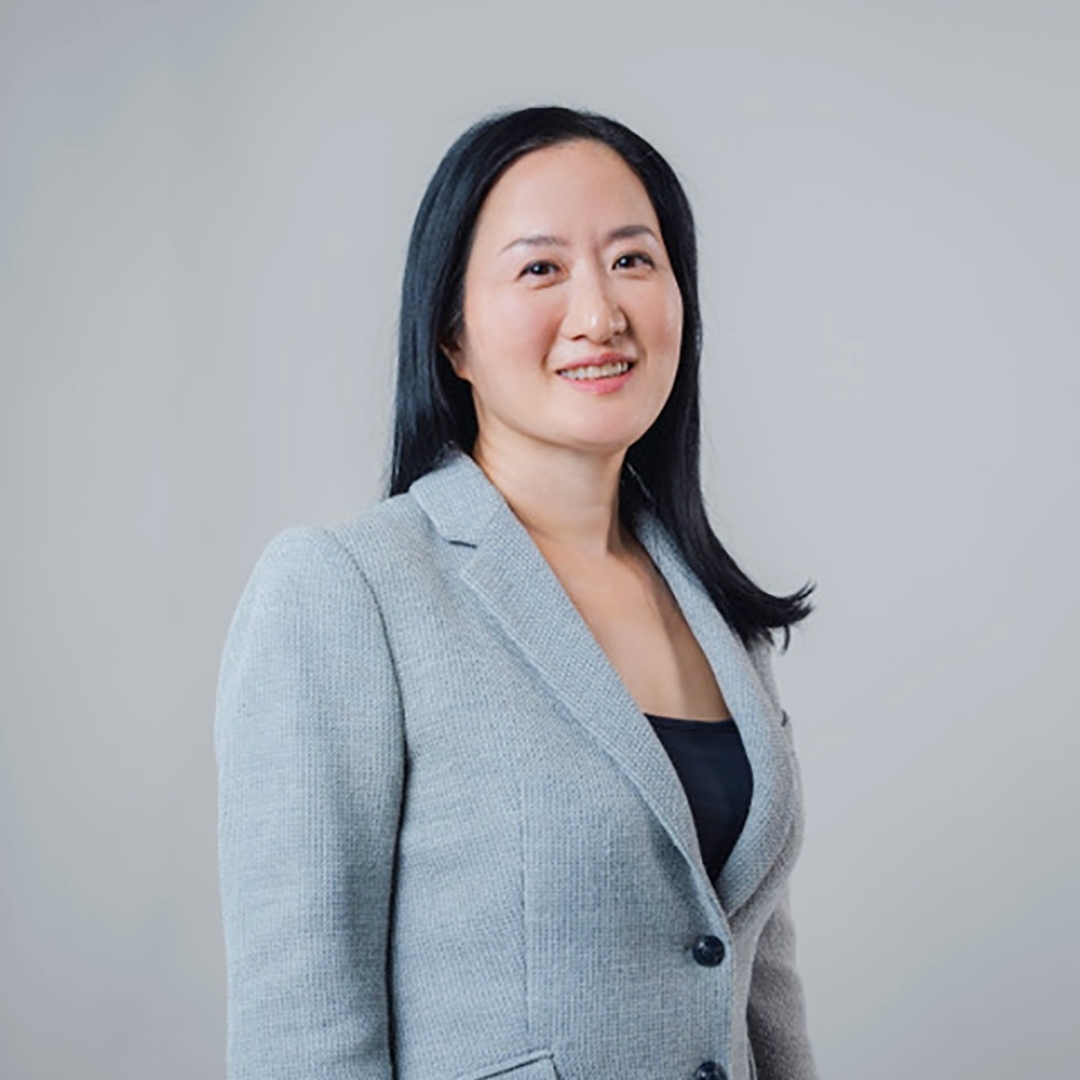
Grace Oh has always been the "good girl": first as a young classical musician pouring her talents into performances that earned applause but shaped her path by others' expectations, and later when she stepped away from a glittering equity research career, despite being named a Top 10 Asia analyst by the Financial Times, to support her husband's ambitions during multiple international moves.
Founding Sol
"It wasn't until midlife that I realized how much of my identity had been shaped by others," Grace says. That awakening collided head-on with her own brush with healthcare dismissal. At a routine check-up, she casually mentioned that life felt overwhelming amid those relentless relocations and emerging symptoms. Without follow-up questions or deeper inquiry, her doctor immediately offered an antidepressant. "That moment crystallised something for me — how quickly women's health needs are misunderstood or underestimated, and how little curiosity there is about the context or root causes," she explains.
For Grace, a Dartmouth and Harvard Business School graduate, certified Menopause Champion, and integrative nutrition health coach, the experience exposed a systemic void: women's health beyond fertility remains chronically under-researched, under-funded, and under-represented, especially for Asian women. "What began as my personal frustration has become a mission to bring visibility, empathy, and science to a life stage that has been ignored for far too long," she says. In late 2025, Grace founded Sol (Spring of Life), a medically reviewed app that's quickly emerging as Asia's leading platform for women navigating menopause. Designed with cultural relevance at its core, Sol empowers users with evidence-based tools, personalized support, and community, turning a once-taboo transition into an opportunity for renewal and confidence.
Building Sol for Asian Women
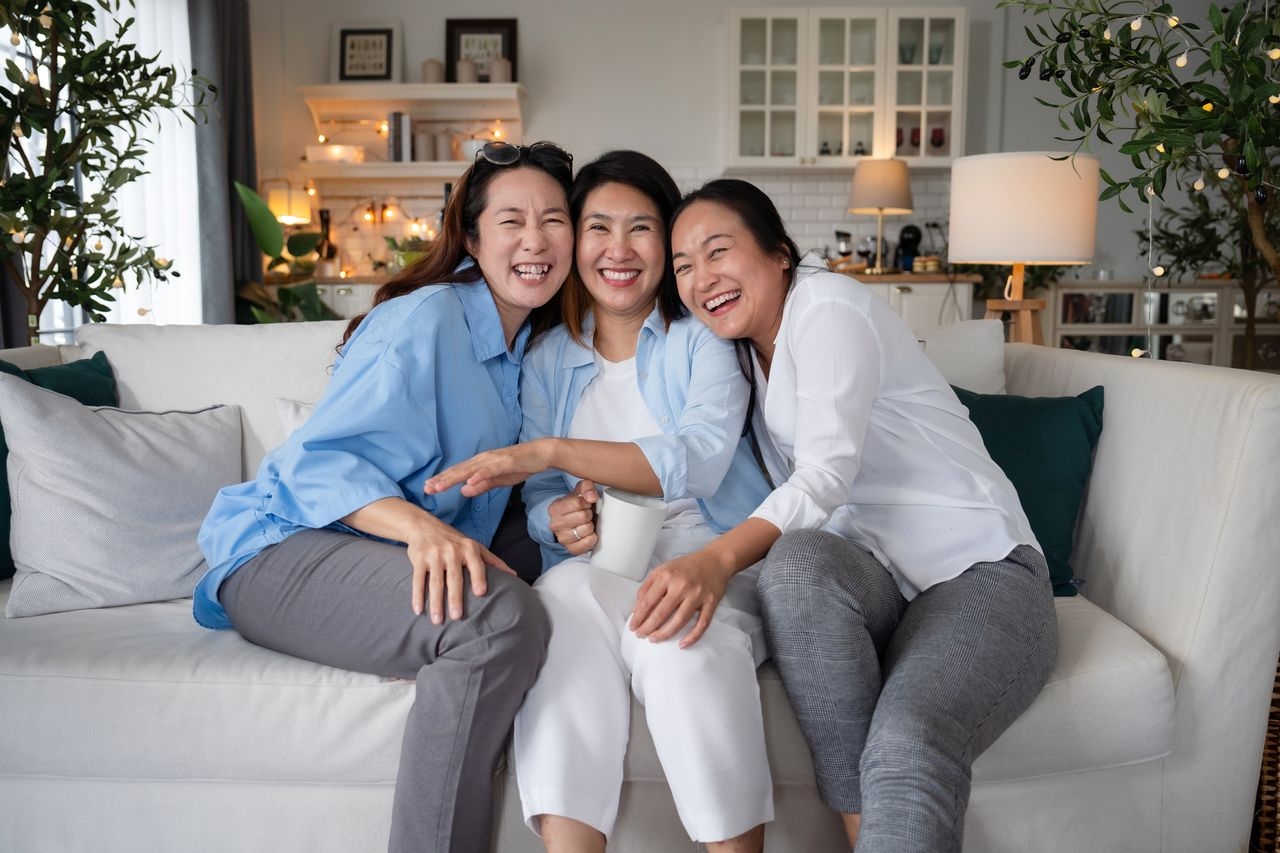
Grace's journey to founding Sol mirrors the experiences of countless women. Sol isn't another generic wellness tracker; built in Singapore with input from healthcare professionals and hundreds of women across the region through meetups, conferences, and focus groups, it delivers evidence-based, personalised guidance tailored to Asian realities.
Across the region, menopause is often shrouded in silence, viewed as a private burden. Symptoms like hot flashes, brain fog, mood swings, and fatigue are normalized or dismissed. "That silence means many women prioritize work and family while neglecting their own wellbeing," Grace explains. Where global apps often push Western solutions, overemphasizing hormone therapy without accounting for cultural taboos, healthcare access barriers, or biological differences in how Asian women experience symptoms, Sol bridges this by co-creating with women themselves. Through monthly meetups, annual conferences, and focus groups, users shape the app's features, tone, and content. "We don't simply translate information; we adapt evidence, language, and care pathways for Asian realities," Grace says. Partnerships with universities aim to build an Asian-specific evidence base, ensuring women see themselves in the science.
The 3-Level Scorecard: A Tool for Clarity
At the heart of Sol is its proprietary 3-level scorecard, evaluating conventional treatments (like hormone therapy), lifestyle (diet, exercise, sleep), and complementary options (herbs, acupuncture) side-by-side for effectiveness and safety. This counters the overload of conflicting advice, empowering women to blend options confidently while preparing better questions for doctors, never as a substitute for professional care. "Ultimately, it gives women clarity and agency—so they have choices, context, and confidence instead of guesswork," Grace explains.
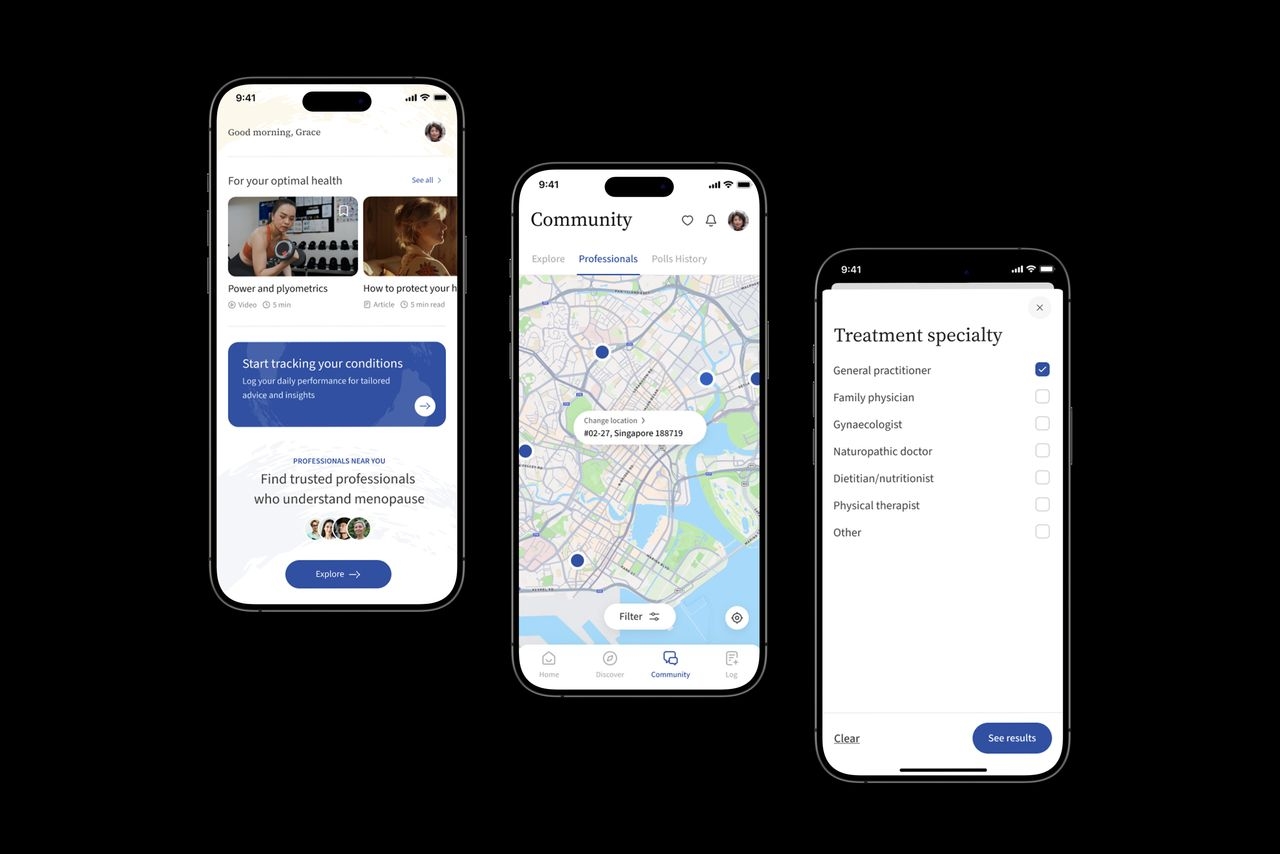
The app's features extend far beyond ratings. Users get personalized wellness programs, symptom trackers with shareable health reports for smoother practitioner visits, bite-sized expert content, and a map of vetted menopause-informed doctors, a rarity in Asia where specialized care is scarce. Vetting involves clinical training, experience, and community feedback, making knowledgeable support more visible.
The Professional Impact of Menopause
Menopause's toll on careers is profound, especially in Asia's high-pressure work cultures. Women report brain fog eroding confidence in high-stakes roles, hot flashes disrupting meetings, and exhaustion from poor sleep leading to withdrawal from promotions. Many internalize blame, hiding struggles due to stigma. "Instead of recognizing these as physiological changes, many women blame themselves—believing they should be more disciplined, resilient, or in control," Grace explains. As a result, talented professionals end up stepping back, declining promotions or leaving entirely, not because of a lack of ambition or ability, but because they fear being perceived as unreliable.
Sol tackles this head-on, offering employers frameworks for inclusive policies. One standout: flexible scheduling and remote options, allowing recovery from fluctuating symptoms without disclosure. It boosts productivity, preserves confidence, and curbs attrition. As Grace notes, it's cost-effective, stigma-free, and benefits broader employee well-being. "Menopause doesn't just affect health; it can undermine confidence, identity, and career trajectory," she says. "Much of that impact is preventable with awareness, support, and workplace support."
Barriers to workplace policies linger: cultural stigma tying menopause to aging and loss, low awareness among leaders, fears of "special treatment," and scarce trained clinicians. Despite these challenges, Grace remains optimistic: midlife women are often senior, highly skilled, and central to leadership pipelines, and in many aging societies like Singapore, employees are getting older. "Retaining them isn't just compassionate—it's economically smart," she points out. "Ultimately, the shift will happen when menopause is reframed not as a personal issue, but as a workplace wellbeing and talent retention opportunity." While Asian employers may not all be ready today, Grace says that the conversation has already begun — and momentum is building.

The Future is Female
Looking ahead five years, Grace envisions Asian women approaching menopause with confidence, not shame, with access to localized care, more trained practitioners, supportive workplaces, and inclusive research. Sol aims to spark those conversations at home, with doctors, and in offices, reframing menopause as a supported stage of life. "Building a women's health company isn't simply about creating a product that solves health challenges," Grace emphasizes. "To create real impact, you need to engage the entire ecosystem — clinicians, employers, policymakers, investors, and of course, women themselves."
For women opening the Sol app for the first time, Grace hopes for relief: "Finally, someone understands." The intentionally warm, non-clinical design fosters calm, validation, and a spark of possibility, helping users see menopause as a transition rather than an ending.